The Daily SignalTech · Arts · Culture
Friday, July 10, 2026
Night Dispatch

Key Insights
1
Platforms optimize for engagement until engagement itself becomes the problem, at which point they eliminate the behavior they spent billions optimizing for.
2
Netflix spent two decades training users to expect curated abundance and frictionless control. Now the math says that model doesn't work at scale, so they're asking users to accept the opposite—passive, undifferentiated flow—and hoping exhaustion feels like convenience.
3
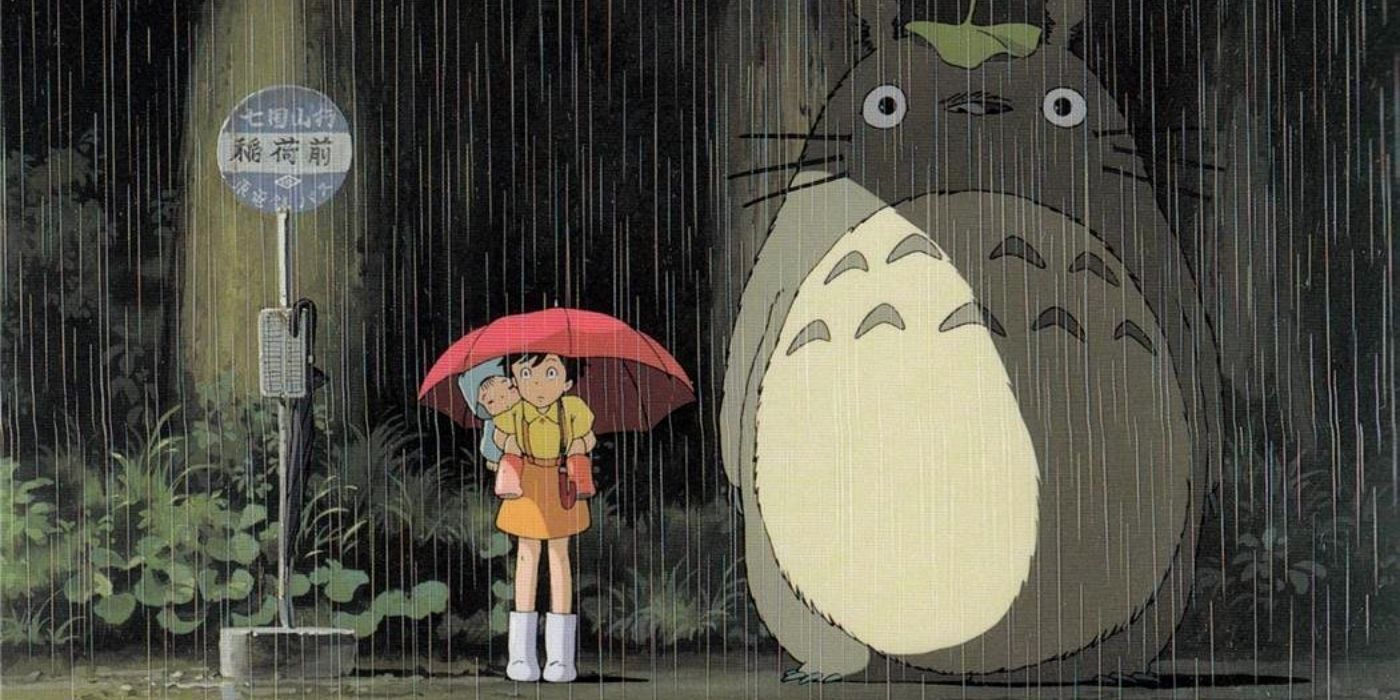
The companies positioned to win are those small enough to stay intentional about what they refuse to do. Studio Ghibli and LEGO don't need always-on channels because they make things people actually want to choose. Jack White releases albums the old way because scarcity still signals care.