Twelve Years of One Idea, Then What
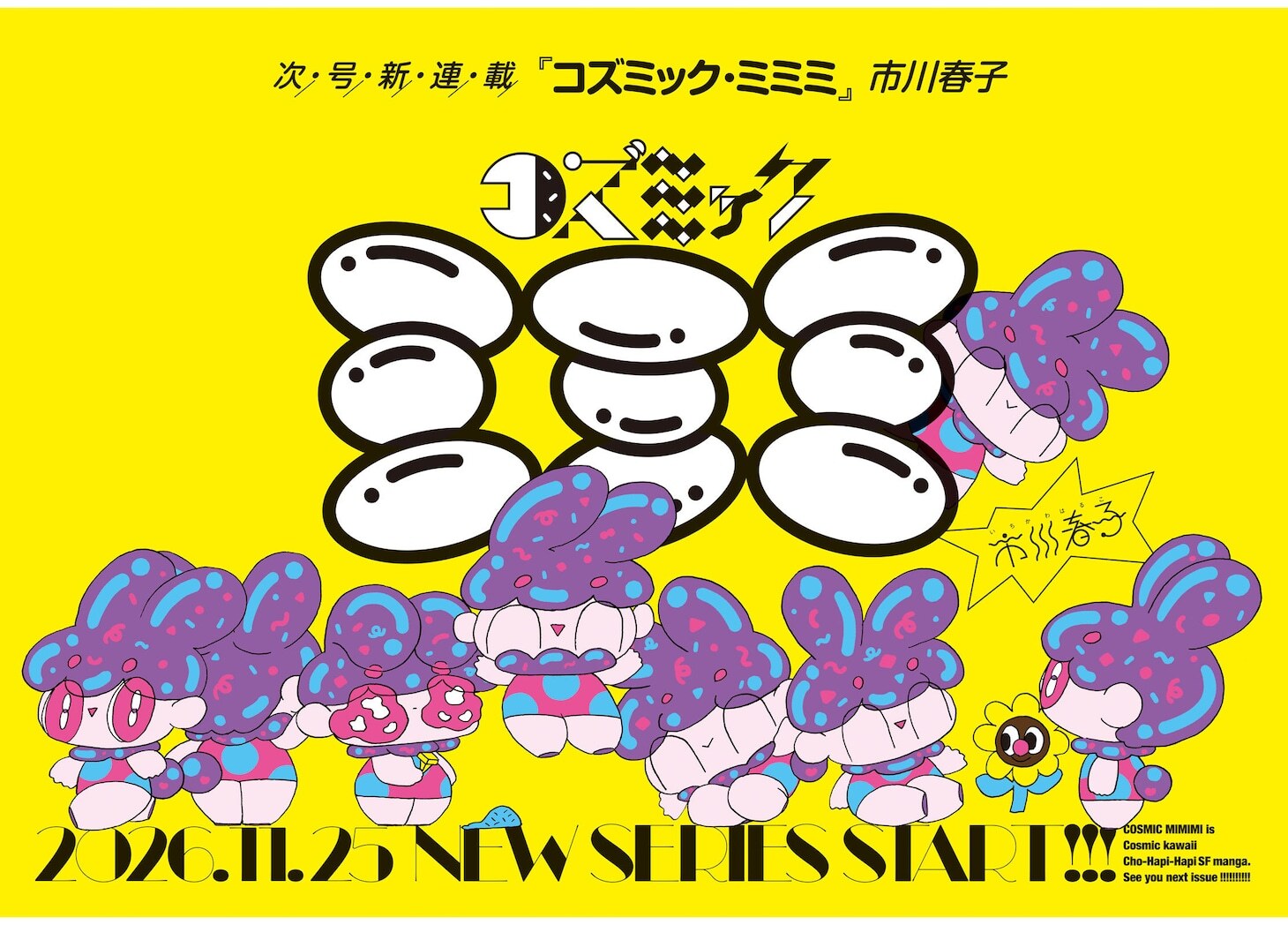
Haruko Ichikawa spent twelve years inside a single metaphysical premise — that consciousness could inhabit inorganic matter, that identity persists across radical transformation, that gems and stone could be characters wrestling with meaning. Houseki no Kuni ran from October 2012 to April 2024 in Monthly Afternoon magazine. The precision of that obsession is what made it matter. Now she is launching Cosmic Mimimi, a sci-fi manga, in the same magazine where the old work exhausted itself.
This move follows a recurring pattern in manga authorship that reveals something about what the long serialization actually costs. Mangaka who complete intricate single-concept works — Hiroaki Samura's Blade of the Immortal, Tsutomu Nihei's Blame!. Typically cannot sustain a second series in the same philosophical register. They shift genres instead. But the new work often shows what they've lost: constraint that made them precise.
Ichikawa's choice of sci-fi is not accident. Science fiction allows scope. Multiple worlds, technological systems, the sprawl of possibility. It is the opposite architecture from a work that spent a decade asking whether a single gemstone could grieve. Constraint creates precision; removing it gains breadth but sacrifices the obsession that cut deepest. What Houseki no Kuni understood is that asking one question relentlessly for twelve years teaches you something a writer with more territory cannot learn in the same way.
Constraint creates precision; removing it gains breadth but sacrifices the obsession that cut deepest.
The real question is whether Cosmic Mimimi will reveal something that the constraint had been hiding, or whether it will show us what Ichikawa was forced to set aside to keep that obsession sharp. Some of the greatest artists of serialized work discover mid-career that the idea was always smaller than they thought. And shifting genre is how they run from that recognition rather than into it. The best ones run into it anyway.
If you have spent years building something intricate within tight boundaries, you know the feeling: the boundaries start to feel like they're making the work, not containing it. Opening them should feel like freedom. Often it feels like vertigo instead. What Cosmic Mimimi becomes will tell us which one Ichikawa experienced. Whether the twelve years of stone and consciousness were a framework that liberated her thinking or a cage that made her precise.