Why did Bosch disappear for a year
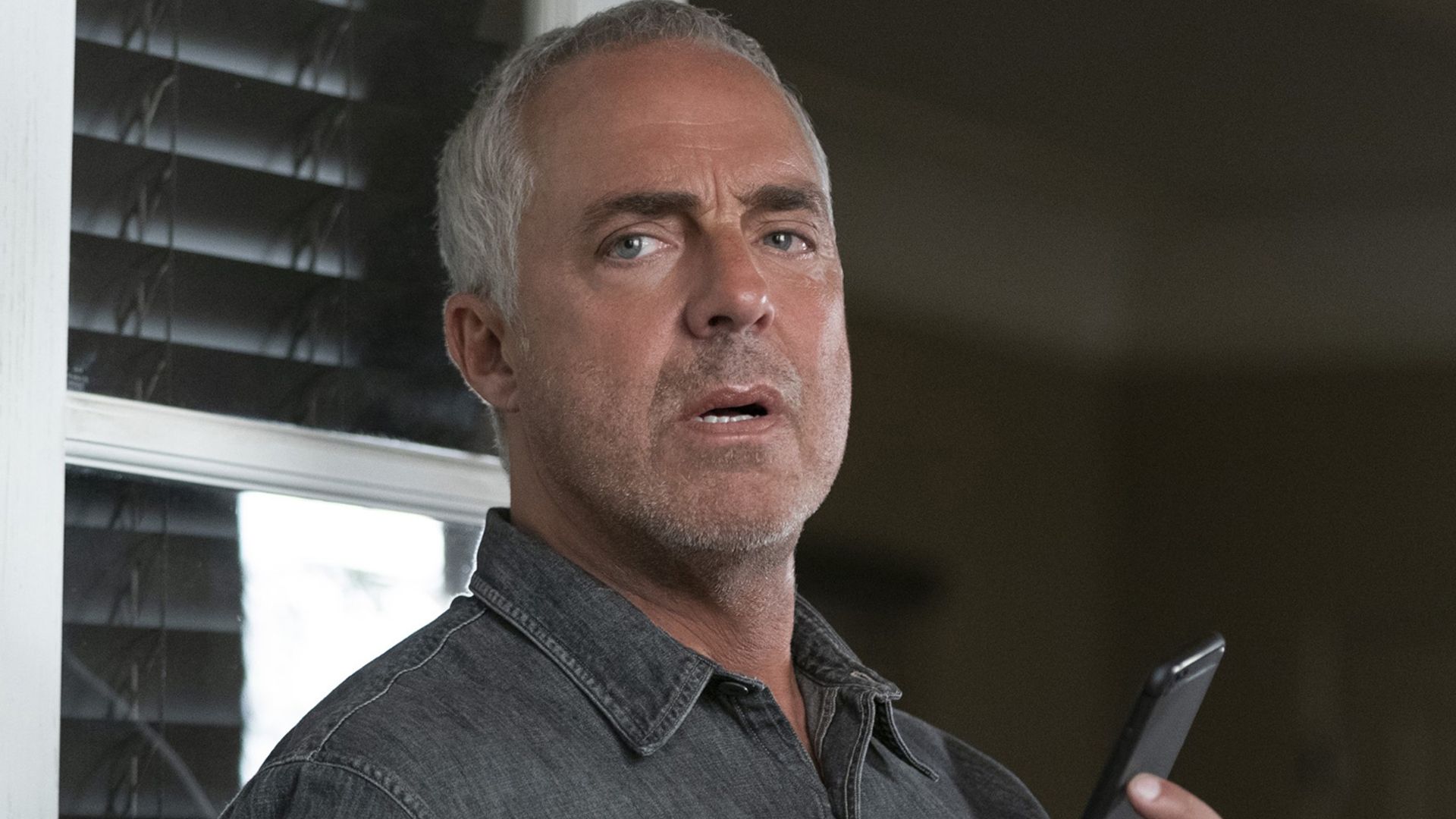
Titus Welliver has officially confirmed he is returning as LAPD detective Harry Bosch, and the revival is coming soon. The detail that matters is not the return itself but the one-year silence preceding it. What that silence actually signals about how prestige television now operates.
Bosch ran for seven seasons on Amazon Prime before Welliver announced his retirement from the role in 2023. Then nothing. No renewal announcement. No creative update. Just the actor stepping away from an iconic part and the network declining to discuss what happened next — until now, when Welliver himself broke the news of his own return.
This pattern has become familiar enough to read like a script. Mindhunter vanished for two years between Season 2 and the announced Season 3, during which showrunner David Fincher and Netflix renegotiated. Season 3 never materialized; the cancellation came in 2020 with the explanation that Fincher was too expensive. The Newsroom disappeared for eighteen months between its final season announcement and actual renewal. Godless went dark for a year before cancellation. The gap is not a pause. It is a negotiation wearing the clothes of silence.
When an actor announces a return before the network confirms what the show actually is, the sequence itself is the warning. It suggests the talent deal closed on different terms than the creative one, or closed while the creative one remained unresolved. Welliver's confirmation arriving without corresponding details about whether this is a limited revival, a reboot, or a continuation of the original series tells you that someone's contract got signed before someone's vision got settled.
When an actor announces a return before the network confirms what the show actually is, the sequence itself is the warning.
This matters because it reveals how streamers now think about prestige IP. They do not greenlight shows — they acquire talent and then decide what show, if any, gets built around it. The actor becomes the permission structure, not the project. For anyone building a creative practice in environments where institutions control the frame, this inversion is instructive. The official narrative. Return, revival, good news. Is what gets announced. The actual story lives in the sequence, in what was not said, in why a year went missing.


