Can anime studios actually adapt webtoons or do they keep breaking them
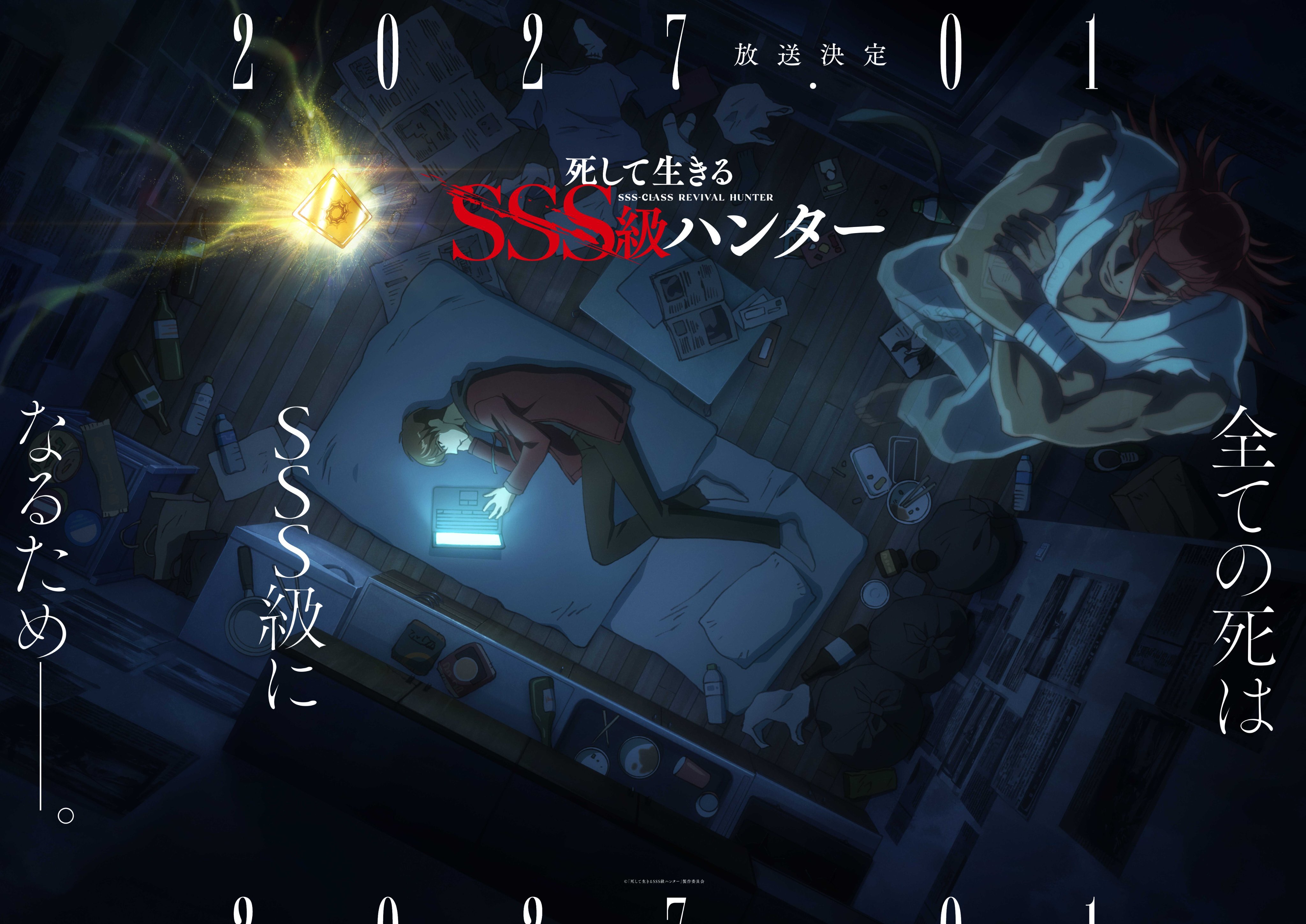
Hayate's announced SSS-Class Revival Hunter adaptation for January 2027 carries one genuine piece of evidence: voice actors Takeo Ootsuka and Satoshi Hino, studio experience with Machikado Mazoku's compact comedy structure — and zero disclosed strategy for translating a webtoon's vertical-scroll pacing into a TV anime's horizontal, episodic one. This is the problem every webtoon adaptation has crashed against since 2020.
Tower of God (Crunchyroll, 2020) arrived as the template: prestigious webtoon with obsessive international fandom, studio backing, recognizable voice talent. It collapsed between episode 3 and 13 because webtoon storytelling lives in constant forward momentum — infinite scroll, weekly release, visual-first composition. And TV anime's 24-minute episode demands suspension and recapitulation. Worldbuilding that works across 150 thin vertical panels disintegrates when forced into narrative beats designed for ad breaks.
Six years later, the field has produced no successful translation protocol. God of High School (MAPPA, 2020) abandoned narrative depth entirely. Solo Leveling (A-1 Pictures, 2024) burned through source material at inhuman speed and ran out of room. Webtoon studios have spent six years learning the same structural problem and apparently solving none of it.
The difference here: SSS-Class Revival Hunter's power-scaling narrative is even more vulnerable to episodic compression than Tower of God's worldbuilding. Webtoon power systems accumulate vertically. You feel the protagonist's incremental growth through visual density and pacing. TV anime's obligation to reset and recap fundamentally misaligns with that sensation. Hayate's director Hiroaki Sakurai comes from Machikado Mazoku. Works precisely because its comedy doesn't require momentum, doesn't scale, doesn't ask for five episodes of setup before the payoff lands.
Adaptation isn't a problem of budget or voice talent. It's a problem of format translation nobody in the industry has genuinely solved. When you're building your own work. Animation, screenplay, strategy meeting. You're probably not crashing against a medium incompatibility. But if you're adapting something successful across platforms, that incompatibility doesn't disappear because you hired the right people. It just means you need to choose which format's rules you're actually serving, instead of pretending you can serve both.
Rewatch Tower of God episodes 1–4 and 11–13 back-to-back and notice where the pacing drops—the exact moment episodic structure overpowers webtoon momentum.


