Heroman arrived when fandom stopped discovering
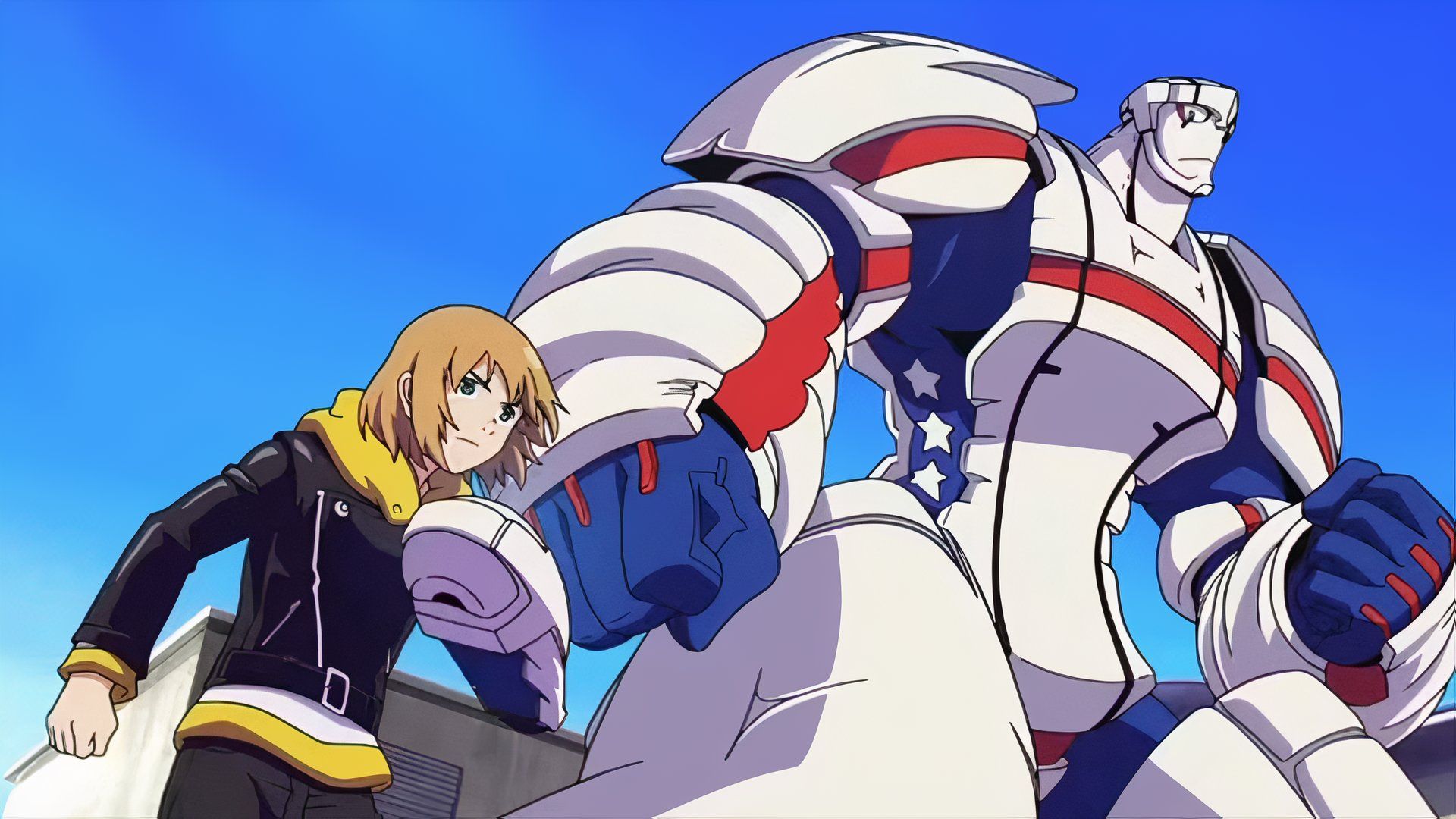
Heroman, the 2010 Stan Lee collaboration about a boy and his robot superhero, was genuinely well-crafted: solid animation, coherent storytelling, a protagonist with actual stakes. It should exist in the same conversation as My Hero Academia. It doesn't, and the prevailing explanation — that it was simply overlooked, buried under better marketing — misses the real mechanism entirely.
The shows that became 1990s cult classics (Trigun, Cowboy Bebop, Serial Experiments Lain) didn't succeed because they were objectively superior. They succeeded because they were discoverable. A forum poster in 2000 could write seventeen paragraphs about Trigun's theology and find fifty people reading that thread the next morning, each one deciding independently to track down episodes. Discovery was a verb you performed, not a feed you received.
Heroman aired into a world where that infrastructure was dying. MyAnimeList and AniDB had replaced forum culture. Reddit was fragmenting fandom into isolated communities; streaming was beginning its transition toward algorithmic curation. The show needed sustained word-of-mouth across distributed networks to build momentum. Instead it got buried under the opening blast of algorithmic feeds that had already learned to promote what was already popular.
My Hero Academia arrived three years later into a world that had completed this transition. It wasn't better. It simply launched when TikTok was teaching algorithms how to manufacture virality, when anime communities had learned to funnel everything through the same three platforms, when "discovery" meant "what the feed shows you." A solid show that once would have built a cult became a global phenomenon. A solid show that arrived too early became a fact no one knew.
This matters beyond anime. If you're making something that requires someone to choose it deliberately. A substack, a podcast, a book that asks for three hours. You're not competing against better work. You're competing against distribution infrastructure you don't control. The shows didn't fail because they were worse. They failed because the mechanism that once made cult classics possible had already calcified into something else. The next discovery would require learning to build visibility through platforms designed for other things entirely.


