Khan's Intelligence Becomes His Defeat, Not His Strength
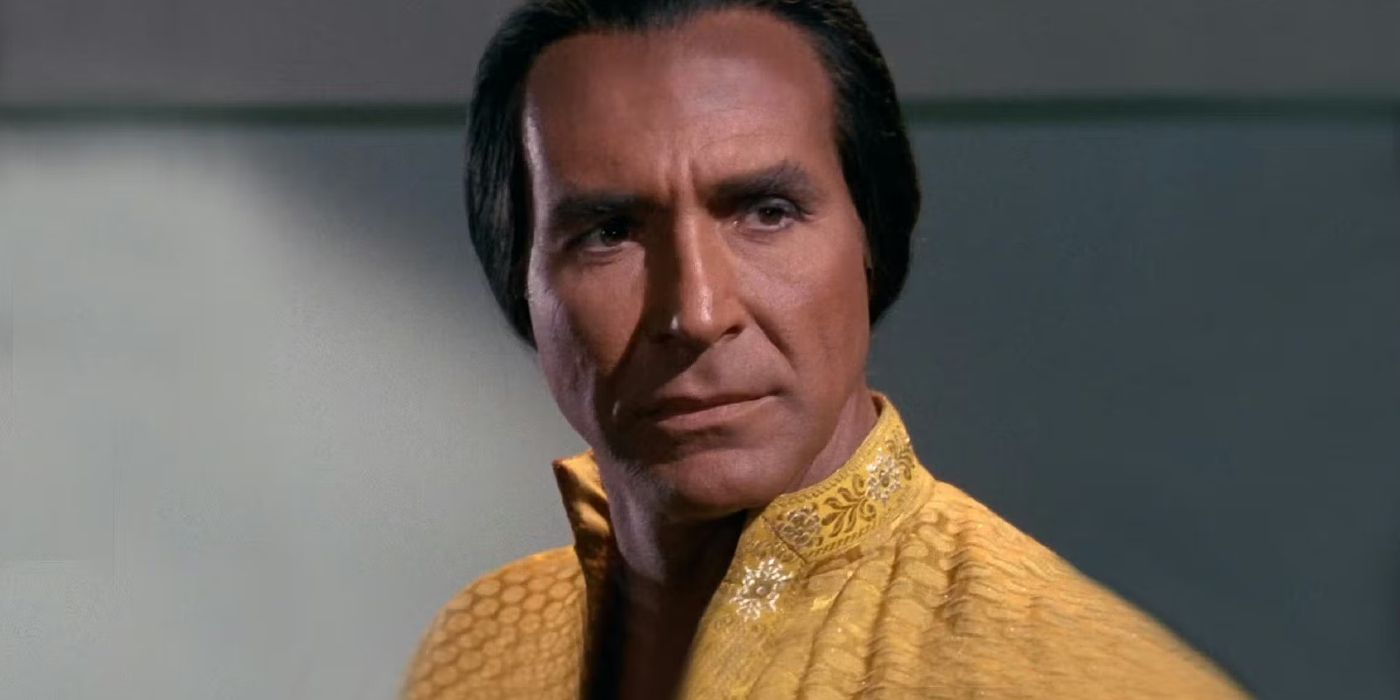
A ranking of Star Trek's smartest villains treats intelligence as a quality you can measure and compare, like height or firepower.
The premise sounds obvious. Khan outthinks his opposition, so he ranks higher than a villain who simply destroys. But the moment you build that hierarchy, you've already decided who wins.
You've converted the thing that made Khan dangerous—his capacity to upend the contest itself—into a character trait, safely filed and analyzed. The intelligence that threatened the outcome becomes evidence of his defeat. Star Trek's architecture doesn't treat smart antagonists as superior adversaries, it treats them as corrosive to moral certainty.
When Khan matches wits with Kirk, the show doesn't celebrate Khan's intellect as an aesthetic virtue. It shows Kirk's victory as contingent, narrow, dependent on luck and improvisation rather than principle. Kirk wins not because he's smarter but because the universe is not arranged for either of them to be certain. That contingency is where Star Trek's actual moral weight lives.
The moment you rank Khan highest for intelligence, you've already reassured yourself that intellect, however formidable, bends to the hero's will eventually. You've turned the threat into a compliment. The tension reveals something most villain rankings ignore. We praise smart antagonists as though intelligence were separate from outcome, as though knowing how to checkmate your opponent means you will. But in Star Trek, the villains who genuinely unsettle the narrative are the ones who make the victory feel undeserved, where Kirk survives through circumstance and will rather than demonstrated superiority.
You see this tension everywhere decisions matter. A hiring panel ranks candidates by credentials, and the hire feels inevitable in retrospect. A manager praises an employee for strategic thinking, then is shocked when the strategy doesn't protect them from market collapse. You've mistaken the ability to reason for immunity to circumstance. The people who unsettle you most are rarely the ones you can confidently rank.


