The Daily Signal
Comics

Beloved Games Never Lost, Only Invisible to Institutions
Lionel·Thursday, July 9, 2026 Edition
The Invisible Becomes Forgotten

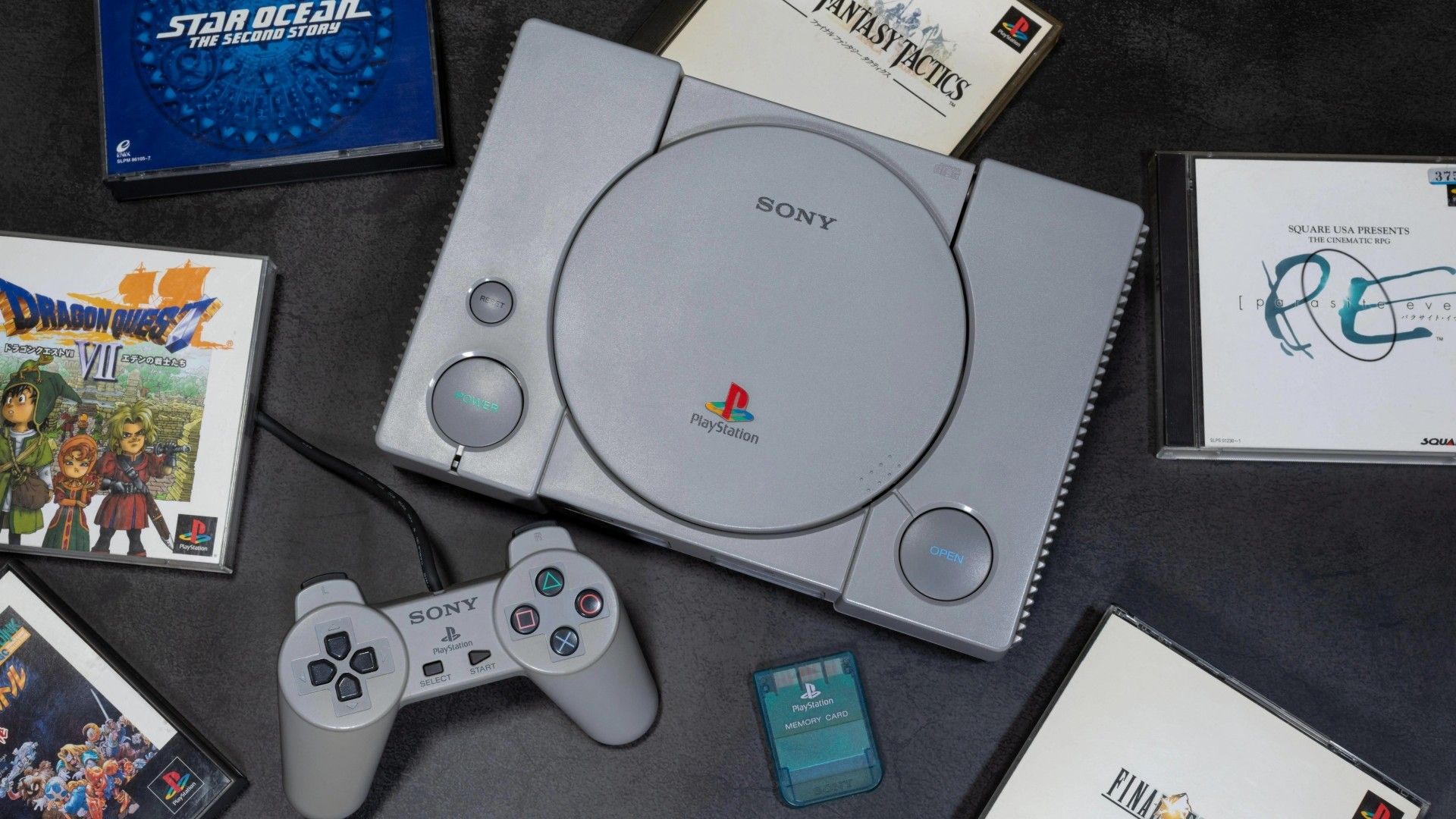
The games everyone claims are forgotten were never lost to anyone who actually played them.

Legend of Legaia. Threads of Fate.

The conversation now treats cultural memory like a binary state. Either a game is remembered or it isn't, and either it's culturally significant or it's dust. But that's not how this works. What's actually happening is that these games were undersold and undermarketed, which means they lived in a pocket universe of devoted players while remaining invisible to the broader market that gaming discourse addresses.

The mechanism still operating

This is a market failure being dressed up as archaeological rescue. When you write an article resurrecting a PS1 title as "lost to time," you're claiming a cultural event that didn't happen. You're not rescuing anything from oblivion. You're validating a niche community's taste by amplifying it to an audience that was never the game's community in the first place. The real work happened in 2002, in someone's basement, in their actual lived relationship with the game.

What actually matters is asking why a game can be beloved by thousands of people and still fail to register as culturally significant at the institutional level. Why are passion and sales treated as separate currencies? Whether that gap says more about the game or about the class divide between cult communities and mainstream discourse. The article doesn't grapple with that. It offers resurrection instead, which is easier. It lets readers feel like they've participated in remembrance without examining the mechanism that made these games invisible in the first place.

That mechanism is still operating. It's operating right now, in games you've never heard of, in audiences you don't see, creating the next generation of "lost" titles that were never lost at all.

Related Stories
Science
Physics Works, Governance Fails: Geoengineering's Real Problem
Australia's accidental dust storms proved that reflecting sunlight actually cools the planet, but this technical victory obscures the true obstacle: no mechanis
Science
Decades of Missed Diagnoses Masquerading as Biology
Men appear to develop Parkinson's disease 1.5 times more often than women, but this disparity may reflect diagnostic bias rather than actual disease prevalence—
Culture
Disney Remakes Profitable Assets Because Shareholders Demand It
The live-action Moana exists not to serve audiences or artists, but to justify massive theatrical budgets to corporate shareholders by leveraging existing IP wo
More From Today's Edition
Culture
Wagner's Power Came From Us, Not His Genius
Wagner's historical influence didn't stem from the inherent genius of his music, but from how people chose to use and interpret it across different political an
Sports
Cheryl Reeve's Record Measures the WNBA's Broken Structure
Cheryl Reeve became the winningest coach in WNBA history not through exceptional excellence but through institutional survival—staying longer than anyone else i
Culture
Emmys Stop Chasing Spectacle, Start Demanding Conversation
The Academy's snub of Stranger Things signals a fundamental shift in how television excellence gets measured—away from visual scale and toward the granular spec
Technology
Meta's Honest Glasses Expose Our Dishonest Choices
Meta's always-recording smart glasses aren't introducing new surveillance—they're simply making visible the continuous data collection already normalized across
Technology
Score Drops Don't Prove Students Cheated
A 50% grade decline when moving from take-home to proctored exams doesn't necessarily indicate prior AI cheating—it reflects well-documented stress effects of s
View Past Editions >