"Permanent" deaths function as publishing cycles
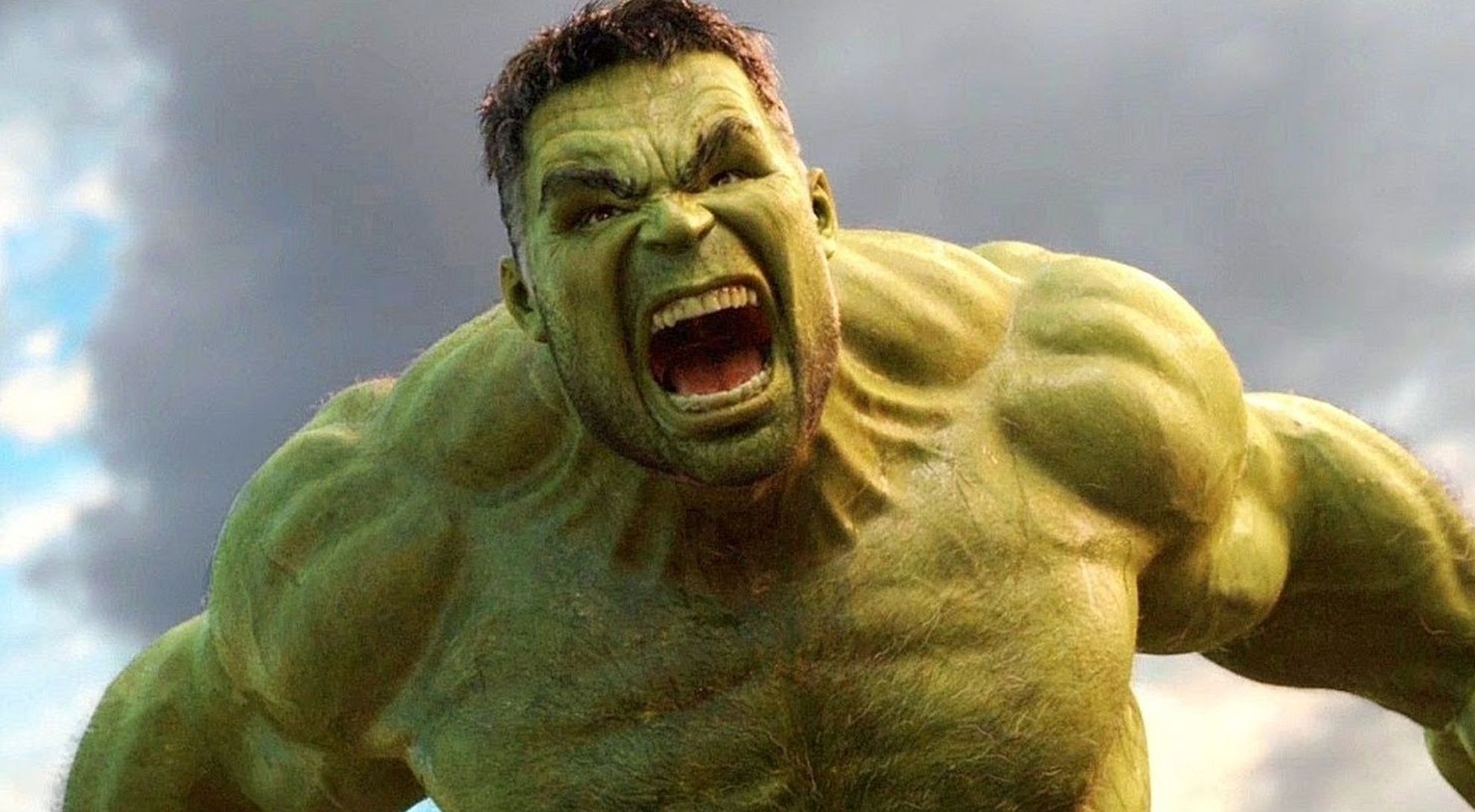
In Civil War II, Marvel killed the Hulk in 2016 and called it the rupture that would redefine the entire universe. The character's absence would matter. The consequences would be permanent. The world, fundamentally, would never be the same.
It was a familiar script. Marvel had killed the Hulk before — in 1991, during Infinity Gauntlet, when the death was positioned as equally permanent, equally definitive, equally universe-shattering. The Hulk returned two years later. By 2019, the 2016 death had reversed itself too. The real pattern isn't narrative consequence. It's a publishing cycle that learned to wear the language of apocalypse.
This matters because it exposes how institutional storytelling confuses scarcity with weight. If a character is gone for three years, readers feel the absence. That feeling registers as stakes. But it's not the death that created the consequence — it's the interval. Marvel discovered that you can engineer the interval, signal the permanence. Let the business cycle do the heavy lifting while you take credit for boldness. The crisis event becomes a scheduled artifact masquerading as a rupture.
When the Hulk returned the second time, no explanation was required because the return had always been the plan. The death was never a story problem to solve. It was a marketplace gesture: We will remove what you love for a measured duration. You will feel like something changed. The universe wasn't torn apart. It was set on a timer.
This pattern matters not as a complaint about Marvel but as a recognition. Any audience building something over time. A body of work, a career, a practice. Should ask whether their own crises are real ruptures or scheduled intervals dressed up as emergencies. The difference determines whether the break actually changes anything or just feels like it does.


