Hunter x Hunter's Power System Collapses Under Any Single Ranking
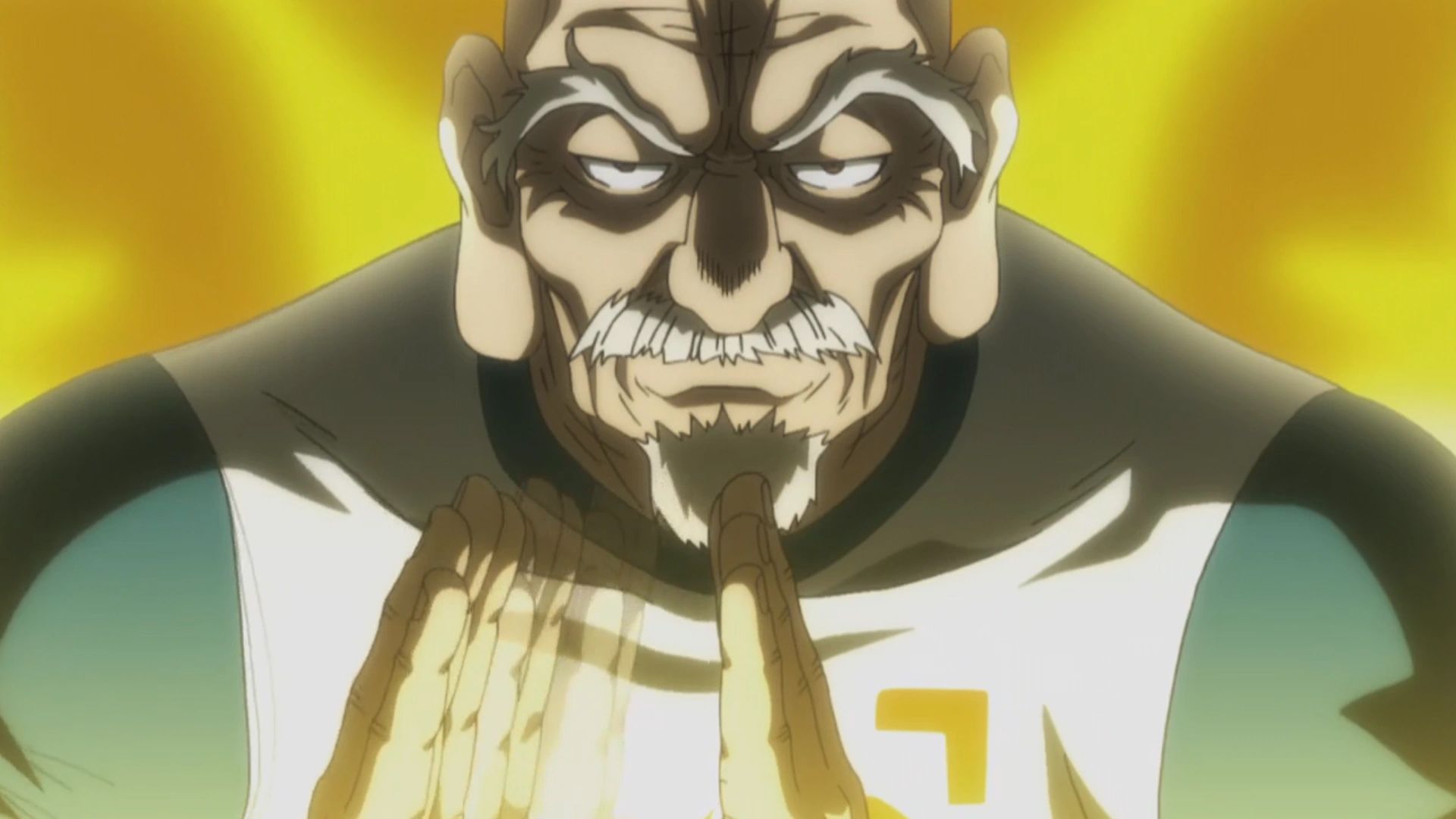
Hunter x Hunter fans rank the strongest characters into a definitive hierarchy, assuming "strongest" is a coherent category that power can be measured on a single axis.
But Togashi's power system is radically contextual — any ranking collapses the moment you try to defend it. Netero threatens Meruem through strategy and sacrifice, not superior raw strength. His god-tier status depends entirely on the story's permission.
Power in this system isn't stored in the character — it lives in the situation. Ranking lists treat Togashi as if he were writing Dragon Ball, where power levels stack like a building and the tallest structure wins. That coherent hierarchy is the lie.
Every confrontation in Hunter x Hunter asks a different question. Can Netero's intellect overcome raw strength? Can Hisoka's reflexes matter against an opponent who doesn't feel threatened? Can a god-level being be killed by poison, which has nothing to do with power at all? Watch what happens to rankings when you ask what they're actually measuring. Combat matchups, thematic authority, or narrative finality. Because a character who wins a random tournament bracket is measured differently than one who wins because the story decided it.
Power in this system isn't stored in the character—it lives in the situation.
”The real question isn't which characters deserve god-tier status. Whether your own work. Creative, intellectual, or professional. Relies on hierarchies that feel natural but aren't. We arrange priorities on a single axis when context matters, rank people by metrics that don't measure what we claim to value, treat systems as simpler than they are. The ranking appeals because we want clarity, but clarity often means blindness to what's actually true.


