Peter Beagle's 1984 Highlander Draft Exposes Why Restraint Succeeded Where Sequels Failed
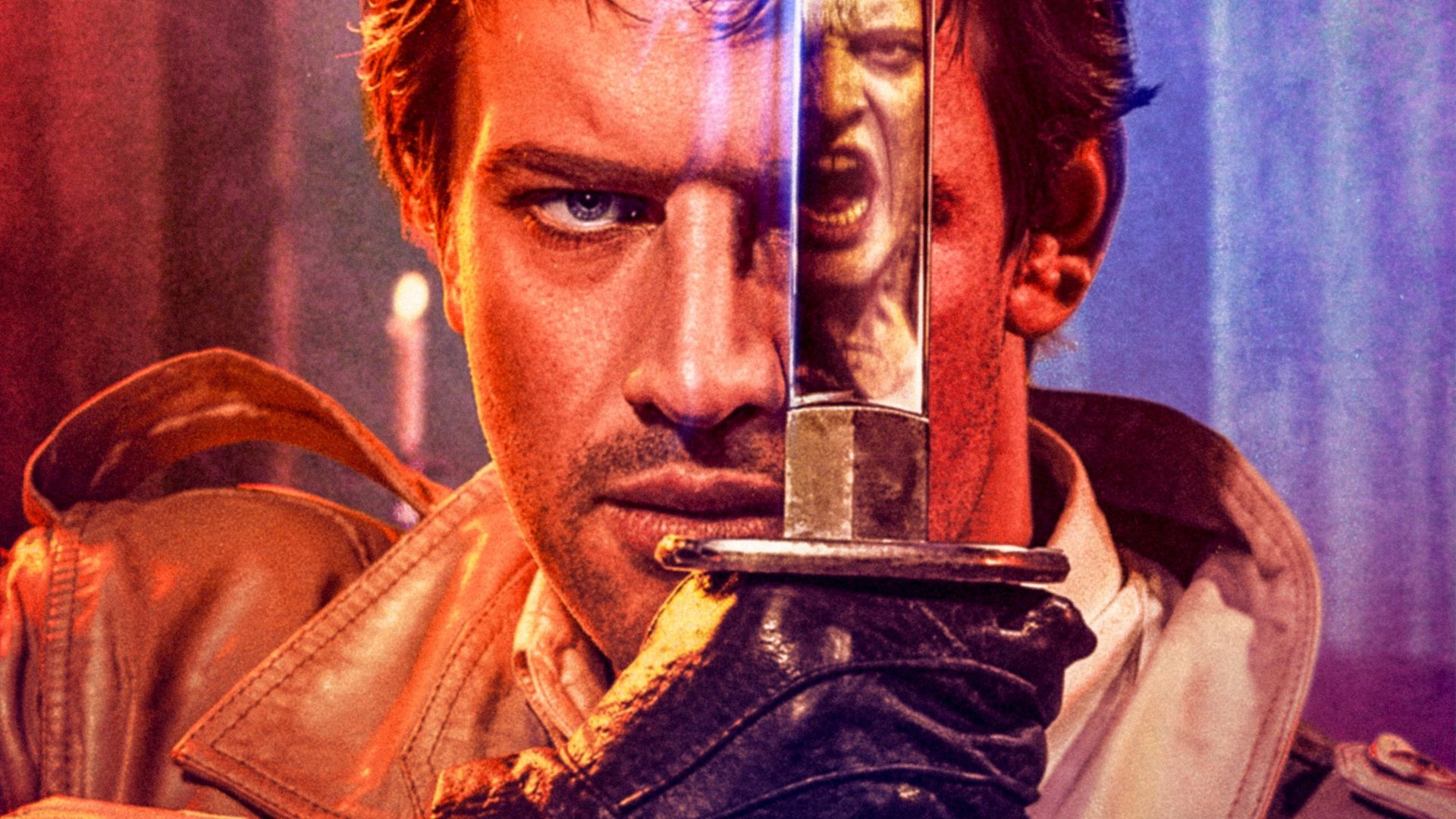
Titan Comics is publishing Peter S. Beagle's original 1984 Highlander screenplay — the dense, baroque draft studio executives dismantled before Russell Mulcahy ever stepped onto set.
What the comics are about to reveal is not the film you know. It's the film that had to break in order to become brilliant.
Mulcahy received a script dense with competing mythologies where immortals were aliens, experiments, and magical beings. The worldbuilding was heavy, the exposition thick, the focus diffuse across centuries of backstory. The studio, convinced audiences wanted a simple love story wrapped around action, forced cuts — and Mulcahy surrendered. The film that emerged, trimmed and intimate, succeeded because it stopped trying to explain everything at once.
Every sequel and adaptation since has made the mistake the studio almost forced on Mulcahy. Highlander 2 restored the alien mythology. The TV series added rules and backstory until the property fractured into incompatible versions. The 2023 reboot abandoned Mulcahy's restraint entirely. Each expansion treated the original simplification as a limitation rather than a creative choice that worked.
The concept is infinitely extensible. The story is not.
Beagle's original screenplay lets readers see the difference between a concept and a story. The concept is infinitely extensible. Add more immortals, more rules, more history. The story is not. It depends on Connor learning something about longing and mortality through one woman, one rival, one choice. The real test for this comic run is whether it treats the restored screenplay as a historical artifact or as permission to build what the studio cut. If Titan explores why Mulcahy's choices worked, readers will understand the difference between complexity and depth. And that matters far beyond sword fights.
Read Beagle's original 1984 Highlander draft against the 1986 film script side-by-side to see exactly which lines the studio removed and understand why the leaner version became iconic.


