Saturation Killed Barker's Hellraiser Return, Not Time
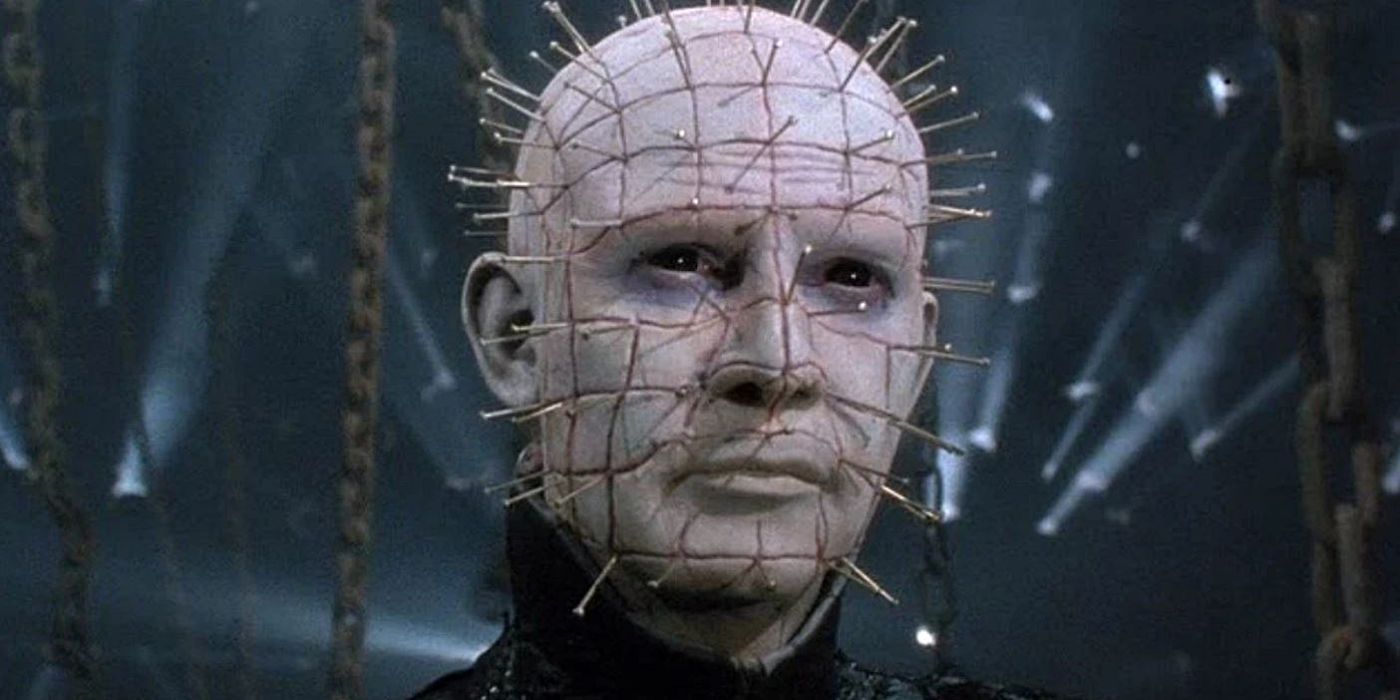
Clive Barker is making a new Hellraiser film — not a reboot or spinoff. A continuation of the mythology he created in 1987, nearly four decades later, after nine sequels and a 2022 reboot already combed through what remained of the property's possibilities.
The announcement reads as creative hunger. Barker has "reinvigorated interest" in returning to the Labyrinth and its Cenobites, the interdimensional architects of exquisite torture that made the original work as transgressive theology wrapped in body horror. But the timing reveals a trap.
David Cronenberg's return to The Fly in 1986 worked because he brought a fever vision to the material — something only he could have seen. And the intervening years without sequels meant hunger remained for the author's particular genius. No one had filled the space he left. When John Carpenter tried to revisit his own 1978 The Thing in 2011, the intervening films, sequels. Expanded universes had already exhausted the appetite.
Barker faces the second case. Between 1988 and 2018, the Hellraiser sequels moved from direct-to-video obscurity into full franchise exhaustion. The 2022 reboot signaled something fatal. The audience already knows every room in the house. They have seen Pinhead in space and the Lament Configuration remixed. The longing that might sustain a late-period auteur return. The hunger for "what would the original creator do?". Has been killed not by time but by saturation.
He is not resurrecting something dormant. He is competing with the corpse's existing autopsy.
”The real problem is not whether Barker's vision can match 1987. It is that no gap remains for his vision to fill. He is not resurrecting something dormant. He is competing with the corpse's existing autopsy. That is a different and harder problem than making a great film.