Failed Cop Pilot Becomes Proof Genre Showrunners Don't Belong
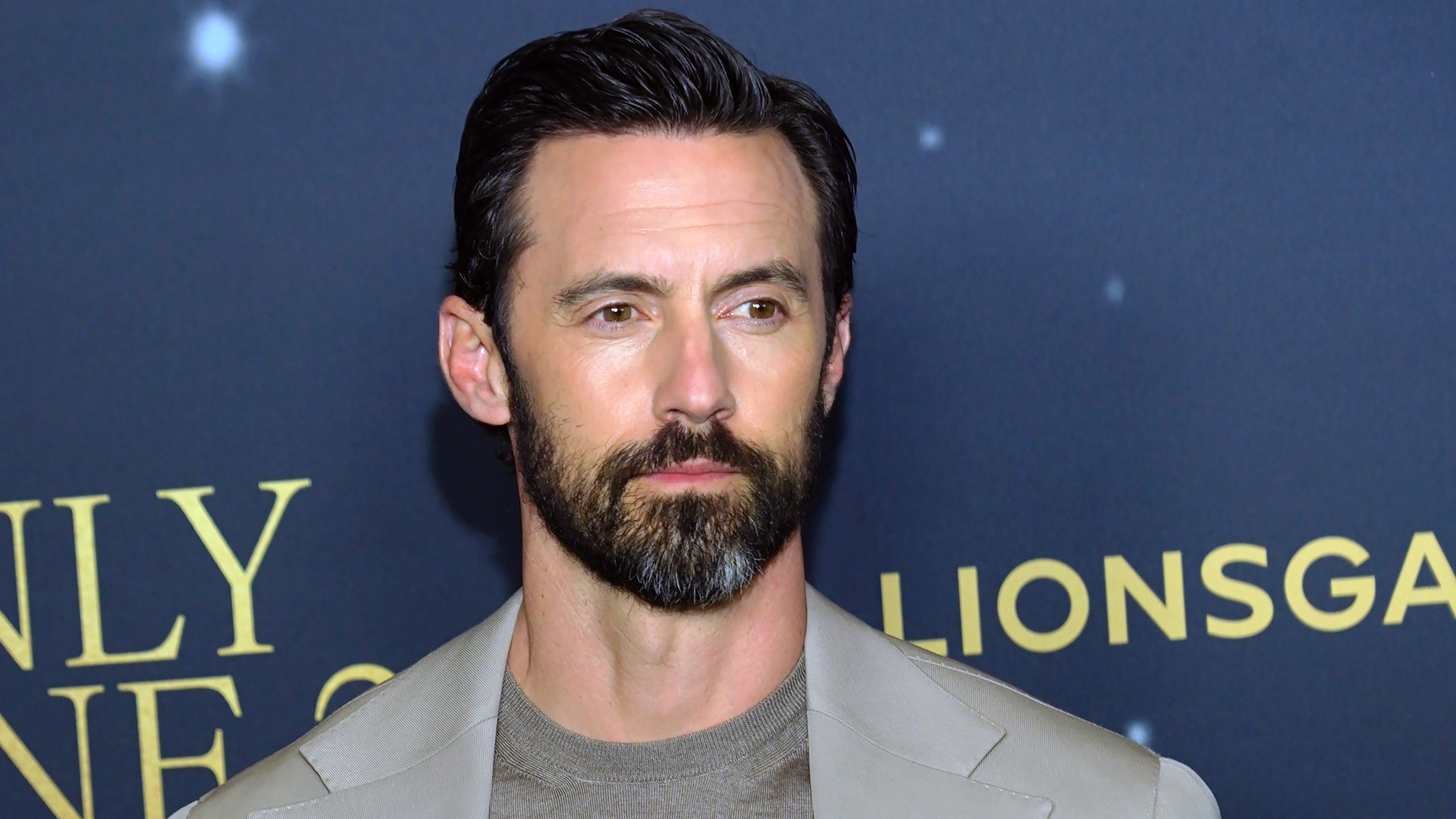
HBO Max greenlit a pilot for a cop drama from the showrunner behind Supernatural, then killed it.
That's not a story yet. The story is what that decision reveals about how networks think genre works.
The unstated assumption is simple. Elevated storytelling is format-agnostic. A showrunner who can execute supernatural mythology can execute a procedural—tonality, structure, and character depth travel across genres.
Networks don't actually believe this most of the time. They hire grounded procedural specialists for grounded work and genre architects for genre work. Yet every few years they greenlight a pilot that crosses that line, spending a quarter-million dollars to test whether the belief holds. When it doesn't—when the cop show feels too much like someone's first attempt at proceduralism—they scrap it and move on.
Each failed crossover pilot becomes evidence that genre showrunners can't do prestige procedurals. Each corpse in the vault gets cited in the next round of hiring conversations. People say, "We tried bringing in someone from that world, and it didn't work." Never mind that the network created an impossible test by asking a supernatural specialist to suddenly think in terms of serial investigation, forensic credibility. The specific pacing rhythm that cop dramas demand. The failure gets weaponized backward, not as a mismatch between ambition and skillset. As proof that genre people don't belong in prestige television.
The narrowing effect compounds. Fewer genre showrunners get opportunities in the prestige space. Fewer ambitious supernatural stories get made because the creators who want to tell them are told to stay in their lane. The assumption that talent is format-agnostic produces the evidence that it isn't. Then justifies a hiring ecosystem that assumes it isn't. What looks like curation is really just confirmation bias wearing an executive's suit.


