Studios Keep Rebooting Friday the 13th Because They Never Ask Why
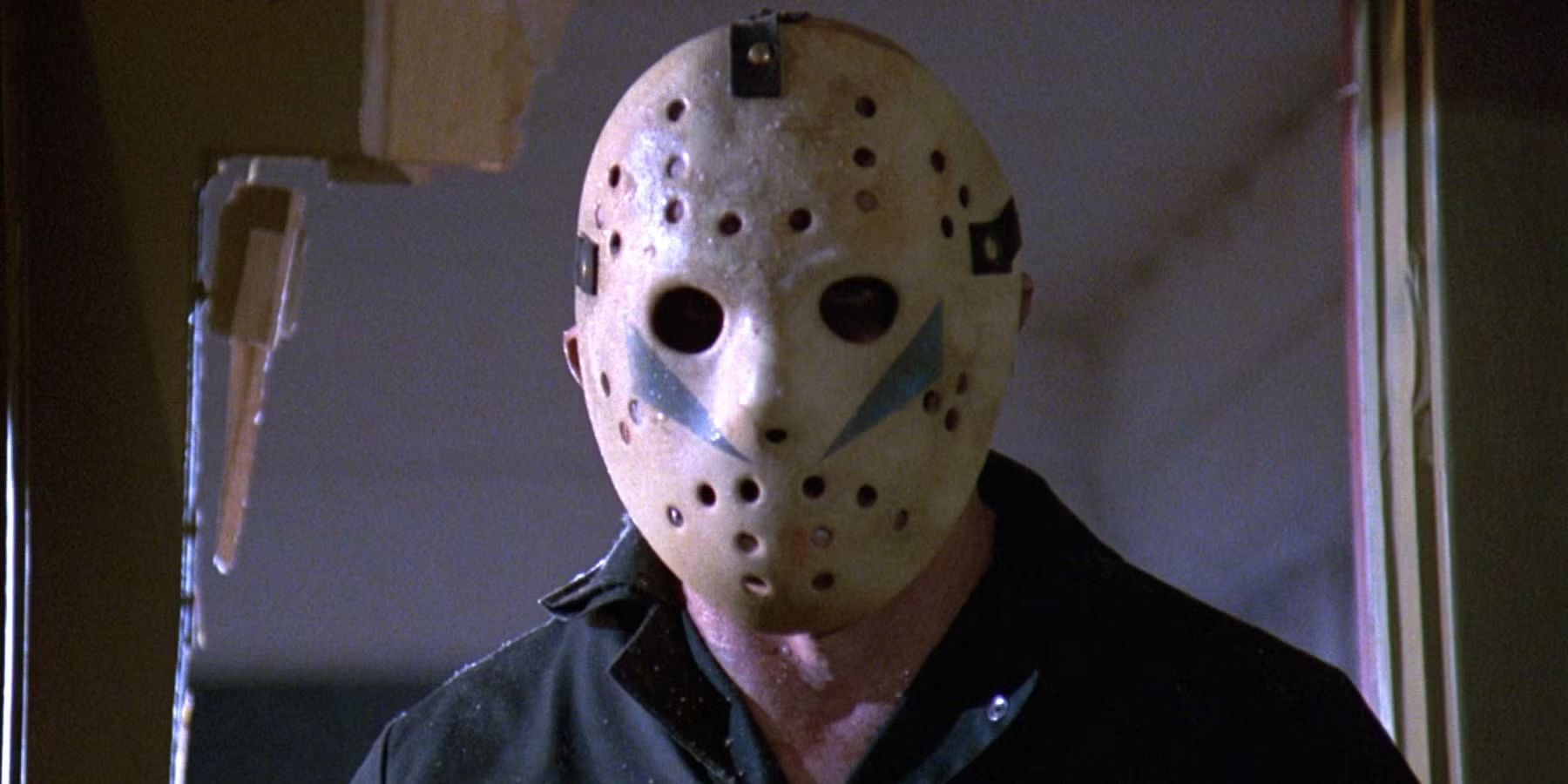
Friday the 13th is being relaunched again, with the studio using the language it always uses for resurrection. This language includes fresh vision, new beginnings, and updates for today's audiences.
This is not news — it's a pattern. The 2009 reboot grossed $92 million worldwide and promised exactly this, using the same soft institutional language that erases five failed attempts since 1989, each with diminishing returns.
The 2009 reboot abandoned the original film's specificity. The 1980 Friday the 13th worked because it was a parody of slasher logic that had earned its contempt by actually understanding how those films moved — it knew the syntax. The 2009 version jettisoned that archaeological layer and delivered something safer and blander. It was a well-photographed recitation of greatest hits, betting only that audiences had bought tickets before.
This is what Clement Greenberg called kitsch applied to cinema, not something bad. Something that skims the surface of real aesthetic difficulty and presents the framing without the thinking. The audience recognizes the shape of what they liked and mistakes that recognition for pleasure. The studio sees this response and concludes the formula still works. Both are wrong simultaneously.
The audience recognizes the shape of what they liked and mistakes that recognition for pleasure.
The studios keep making this bet because the alternative requires something harder. This alternative involves asking why audiences actually responded to Friday the 13th in 1980, what cultural moment made that particular ironic distance necessary. Whether that moment exists now or the culture has moved past it. That question threatens the entire calculation, so they don't ask it. When you build something designed to trigger recognition without understanding, you've already decided its expiration date.
The next failed reboot isn't a creative problem. It's confirmation that you never bothered to ask what you were actually making in the first place.


