Legacy Casting Tightens Scripts Around Comparison
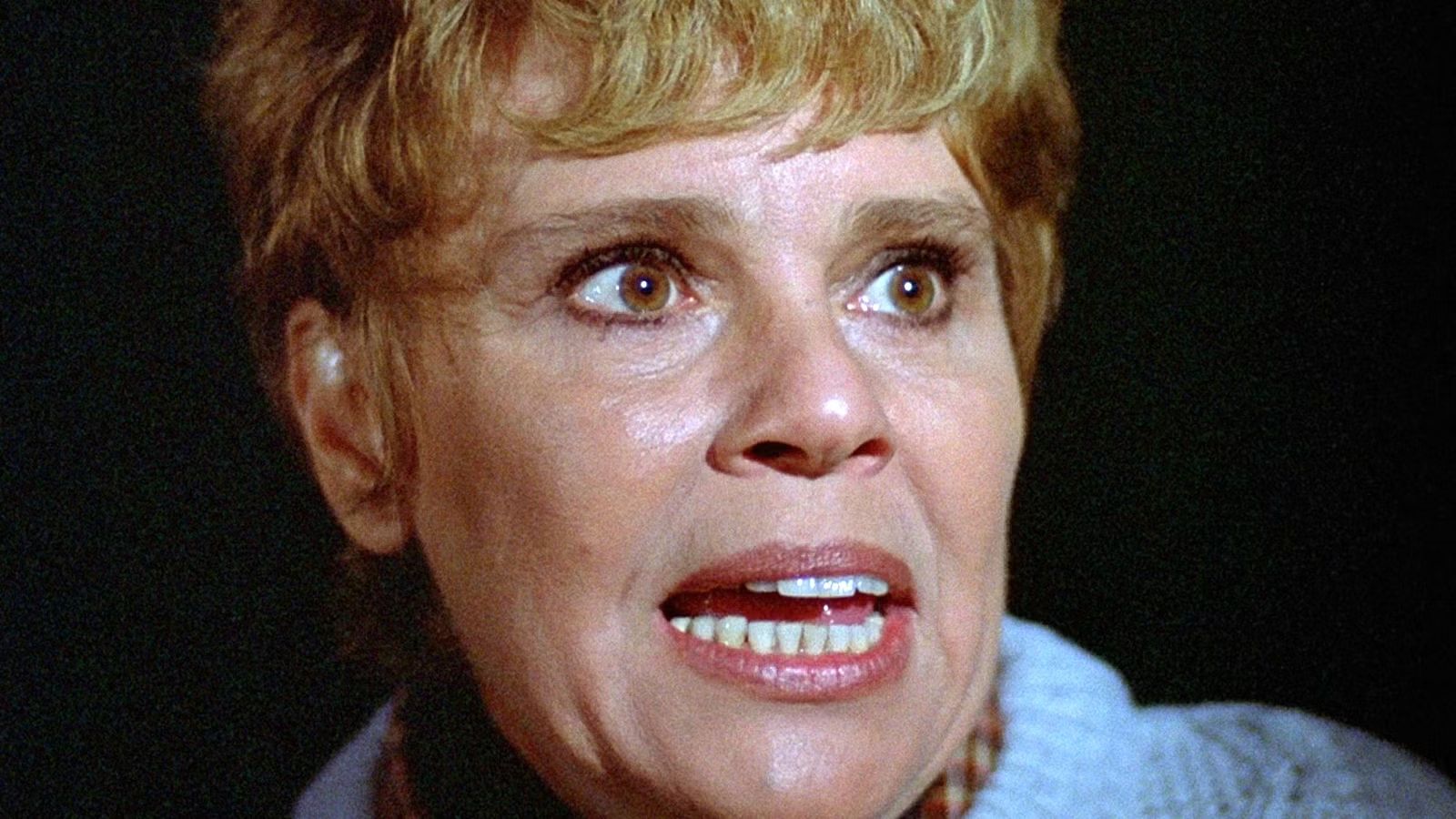
Linda Cardellini is stepping into a character who will exist entirely in the shadow of Betsy Palmer's Mrs. Voorhees, the architect of Camp Crystal Lake's original massacre.
The new Friday the 13th film will acknowledge this debt, building the tribute directly into Cardellini's role. But recognition and vitality are not the same thing.
Jamie Lee Curtis in Halloween Returns, 2018 shows how this fails. Curtis played Laurie Strode again, the final girl made final woman. The entire film construed her decades of survival as a slow rehearsal for one more encounter with Michael Myers.
The script gave her vigilance, trauma, and the original's genetic material, but no new terrain to claim. Curtis was asked to perform the archive rather than inhabit a present. The film wanted us to feel the echo — we felt the obligation instead. What makes this pattern structural rather than accidental is the economics of legacy casting. When a franchise recruits an actress specifically to invoke an original performance, the new character's interior life becomes secondary to the referential contract.
Curtis was asked to perform the archive rather than inhabit a present.
The audience enters primed to measure fidelity rather than watch growth. Cardellini will face this pressure in concentrated form, because Palmer played Mrs. Voorhees as a woman whose maternal love had curdled into something monstrous and singular — a performance so complete it left almost no room for a sequel. The variable this time is Cardellini's track record of choosing roles that demand interiority over iconography. But intention and structural pressure are not the same force. Watch whether the script gives her a character with her own stakes, or a character whose stakes are defined entirely by what came before. That's the fault line where legacy tributes either become resurrection or become tomb.


