Why do we need Unforgiven to kill the Western twice
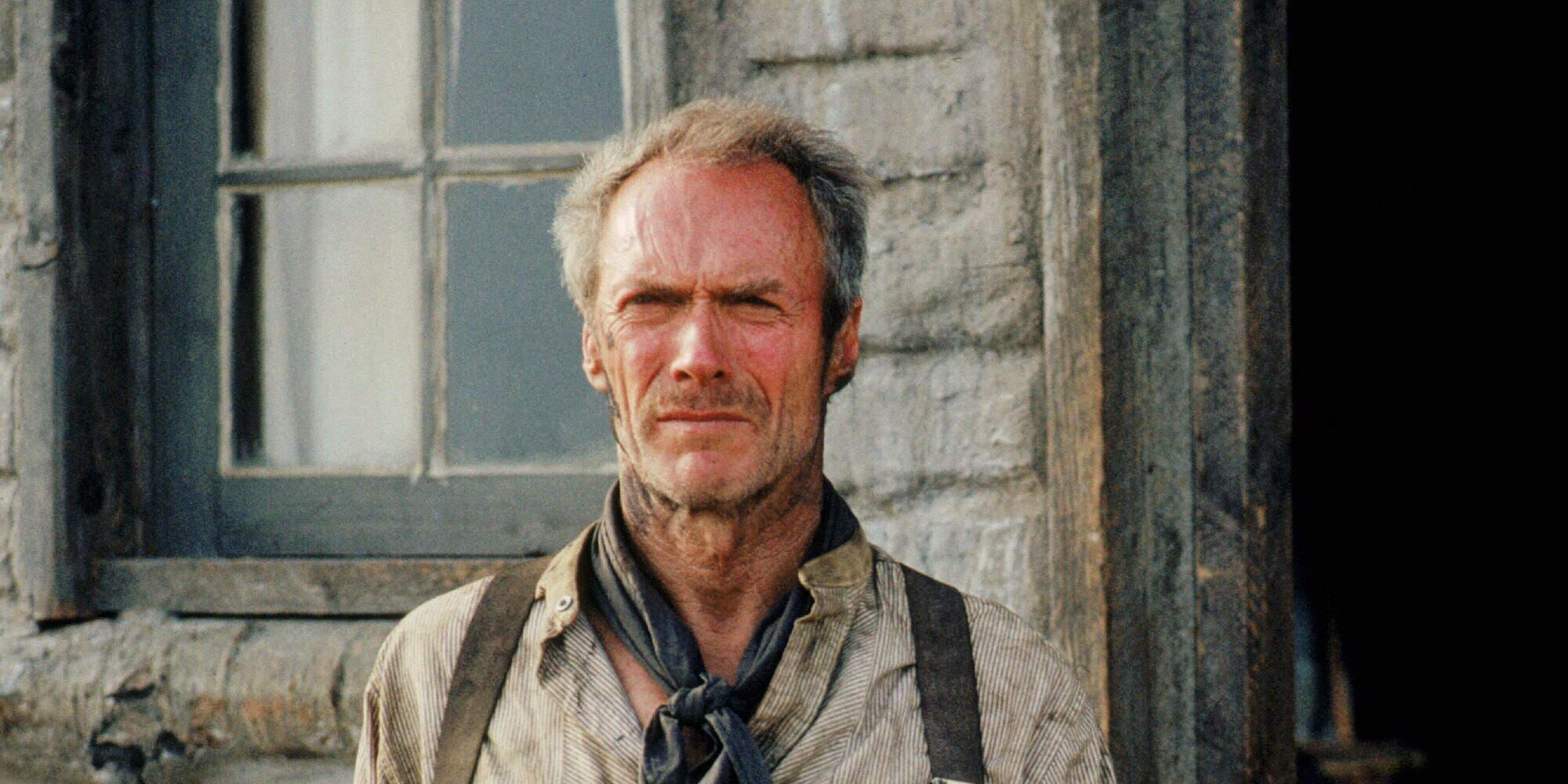
Clint Eastwood's Unforgiven arrived in 1992 as a supposedly radical critique of Western mythology, a film that would finally kill the romantic gunslinger and expose him as brutal, obsolete, damaged. The prevailing reading is tidy: here at last was the anti-Tombstone, the debunking text that would correct a century of genre lies. But this narrative requires institutional amnesia. Sam Peckinpah's The Wild Bunch, released in 1969, already completed this work with precision. Peckinpah gave us aging gunmen whose violence was not mythic but terminal, whose code was incompatible with modernity, whose deaths were wasteful rather than heroic. He did not need 23 years to figure it out.
The question is not whether Eastwood consciously positioned Unforgiven against Tombstone's romanticization. The real tension is why the Western genre had to learn the same lesson twice. Why the second telling read as original discovery rather than institutional recitation. Peckinpah showed us that the gunslinger was already dead. Eastwood showed us the same corpse and we treated it as necromancy.
This is not about directorial vision. It is about how institutions fail to hold what they have learned. The Wild Bunch was not universally celebrated as the definitive Western deconstruction at the time. It was controversial, uneasily received, relegated to a position in genre history that did not consolidate into cultural memory the way Unforgiven's clean moral architecture did. Audiences in 1992 did not carry forward Peckinpah's argument because the institutions that might have maintained it — studios, critics, film education — had not chosen to make it central. The myth needed killing twice because the first killing did not stick.
When we treat Unforgiven as a watershed moment, we are measuring not artistic courage but institutional failure. We are documenting how thoroughly institutions forget, then mistake rediscovery for innovation. This is the pattern everywhere: a company recognizes a strategy, abandons it, rediscovers it under new leadership and calls it visionary. A movement makes an argument, the apparatus that would have to act on it atrophies. A new iteration of the same argument arrives as breakthrough. The Western had already disowned its own hero. We simply forgot, and Eastwood was permitted to rediscover it as original.
The Western had already disowned its own hero—we simply forgot, and Eastwood was permitted to rediscover it as original.
This matters because it exposes what the framing of "anti-Tombstone" actually does: it lets us avoid the harder question about why institutions systematically fail to consolidate their own insights. We do not need better artists making the same arguments again. We need institutions that can hold an idea long enough for it to reshape behavior, belief, the next generation's starting point. Unforgiven's legacy is not that it killed the myth. It is that we are built to let myths resurrect as long as the person holding the gun changes his face.


