MCU Rewrites Villains Into Generic Evil, Not Fresh Names
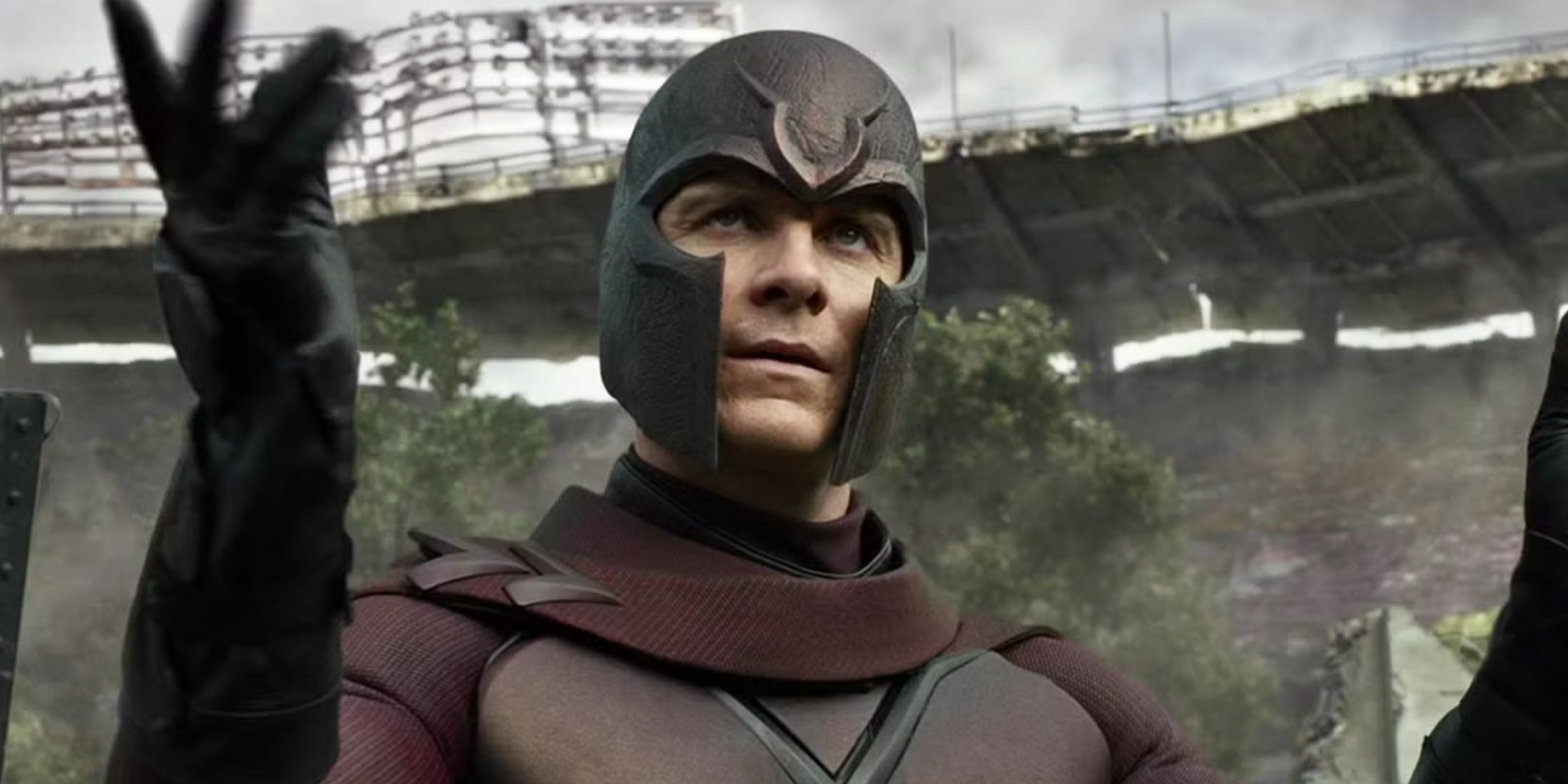
The MCU is preparing to introduce the X-Men. Already the discourse has pivoted to a familiar complaint: Magneto is played out. Comic Book Resources recently listed six alternatives—Emma Frost, Mister Sinister, Apocalypse, Sentinels, the Hellfire Club, even a mysteriously vague "Inhuman faction"—each supposedly fresher, more compelling, less exhausted by decades of adaptation. The pitch is that the studio should simply swap out the old villain for someone new, someone whose ideological profile hasn't been stripped to its bones by previous films. This is the wrong diagnosis of a deeper failure.
Watch what happened to Thanos across two films. In Infinity War, he arrived as something genuinely unsettling: a character whose worldview—that culling half the universe would restore balance—was internally coherent, even seductive. Josh Brolin played him as a true believer, someone who had wrestled with genuine moral weight before committing atrocity. Viewers didn't agree with him, but they understood the scaffolding of his thinking. Then came Endgame. The studio panicked. They couldn't sustain a villain whose reasoning viewers might partially follow. They rewrote him as a nihilist who wanted to "burn it all down." Same actor, same character, but stripped of ideology and replaced with pure destruction.
The MCU has a structural constraint it refuses to name: it cannot keep a villain in the frame long enough for audiences to genuinely grapple with why he might be right about something. The writers lack patience for that kind of terror. Magneto's power doesn't come from being tired. It comes from his belief that human civilization will inevitably destroy mutants, a position supported by historical precedent and MCU canon itself. That belief terrifies Marvel's storytellers because sustaining it means the hero can't simply win—he has to change minds. He has to be vulnerable to the argument. They'll swap him out for Apocalypse or Mister Sinister without solving the real problem: they'll sandpaper these villains into generically evil antagonists, just with fresher names.
The question isn't which villain is better. The question is whether your collaborators are capable of disagreeing with you in writing. If they aren't, no substitution matters. The work dies the moment you stop needing to persuade anyone on your own team.


