Netflix's 89% Shows Vanish Because Licensing Windows Close, Not Quality Dies
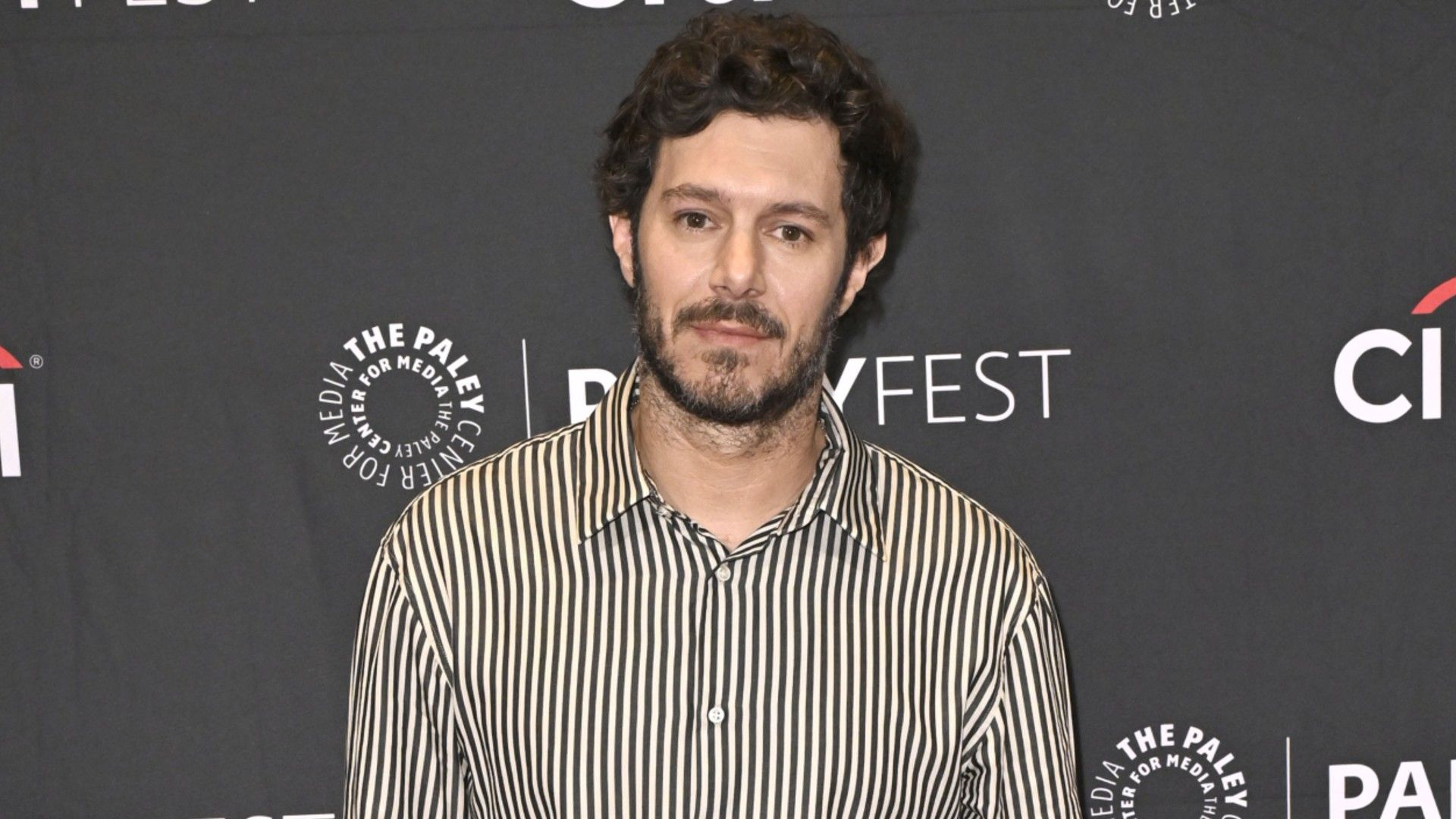
Adam Brody's crime thriller "Resident Evil" sits at 89% on Rotten Tomatoes, thirty episodes deep, and leaves Netflix in November.
This is Netflix's business model working exactly as intended — the company licenses content for fixed windows, then surrenders the rights back when the contract expires. Your attachment to it is calculated into the financials.
A show can be excellent, beloved, profitable for the streamer, and still vanish because the deal was always temporary. The platform trained you to watch urgently by making availability scarce.
When you own the content outright (as you do with Stranger Things or Bridgerton), you want it staying on the platform forever — it drives subscriptions, becomes a permanent draw. But when you license it, the calculus inverts. You pay once for the window, then renegotiate or let it go. Netflix's relationship with content is more pawn shop than library.
This model differs sharply from HBO Max or Disney Plus, which treat licensed content with more patience. Netflix accelerated this approach because it lowers licensing costs and creates psychological urgency. You no longer trust the platform as stable storage, only as a rotating showroom. That 89% audience score doesn't predict permanence anymore. It only predicts quality, and that split divorces availability from merit entirely. The business model isn't selling you access to everything, it's selling you the anxiety of losing access to something you didn't know you wanted until it was leaving.


