Nintendo's Silence Costs More Than Any Delay
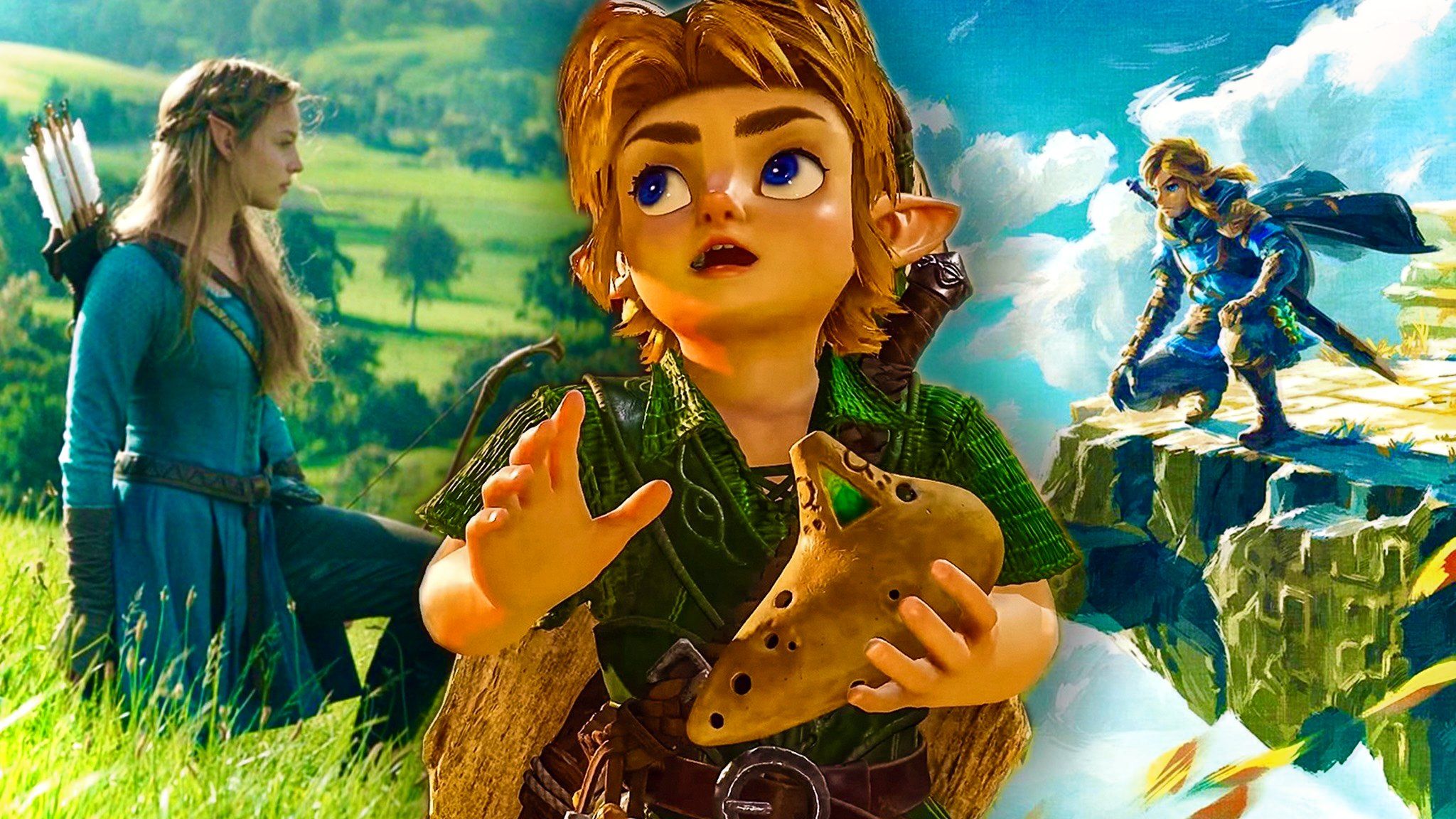
Nintendo just announced that the next Legend of Zelda game, Secrets of the Zonai, won't arrive until March 2027 — with no stated reason, no development update. Nearly two years of public silence on this franchise while competitors released Elden Ring's shadow expansion, Final Fantasy VII Rebirth, and three major sequels.
This is the Wii U pattern repeating. Between 2012 and 2015, Nintendo stopped communicating meaningfully about its software pipeline, leaving a silence of over a year while BioWare, Rockstar. Naughty Dog published major releases elsewhere.
By 2015, when Splatoon finally arrived, the Wii U's installed base had contracted enough that no single game could rebuild momentum — players had migrated. By the time the Switch launched in 2017, the habit was already broken. The structural similarity isn't the delay itself. Delays happen everywhere.
The similarity is the communication vacuum during a franchise moment when players are most primed to stay invested or leave. When a studio says nothing, players make a choice about what to do with their time and money. They don't wait in suspension, they download something else, they buy a competitor's console, they build a habit somewhere the company isn't present. Nintendo's advantage has always been that it owns the player relationship directly, no third-party storefront, no algorithmic middleman deciding what shows up on the home screen. During that Wii U silence, the company treated that relationship as automatic. It wasn't.
When a studio says nothing, players make a choice about what to do with their time and money.
The variable this time is platform fragmentation. The Switch has sold over 139 million units and is at the end of its console lifecycle. Its successor exists but hasn't been announced. Nintendo is managing expectations across a user base split between people still buying for current hardware and people waiting for the next console to even consider a purchase. A delay announcement without context in that environment doesn't just defer release. It signals uncertainty about which hardware generation the company itself believes in right now. Watch whether the next Nintendo communication fills that void or repeats the silence. That choice will tell you whether they learned that audiences don't passively wait for expertise to arrive, or whether they're still betting on loyalty to carry them through the gaps.


