The Daily SignalTech · Arts · Culture
Wednesday, July 1, 2026
Night Dispatch
Previous EditionNext EditionSharp eyes on the stories shaping the world.
HumanPotential

The Gut Scientist Who Profits From Her Own Uncertainty

Dr. Giulia Enders built a bestselling empire on gut-health claims that blur consensus science with emerging research, but the real story isn't about what's true—it's about who benefits when wellness becomes a $100+ billion industry where the incentives reward amplification over precision.

*Enders' authority validates gut claims to millions without clarifying which have solid evidence versus speculation.
*Gut-health industry profits from ambiguity between proven findings and speculative mechanisms.
*Commercial incentives in wellness systematically reward the loudest claims, not the most accurate ones.
More
Westworld
🌍 Feature Creature
Westworld
The World It Makes
Westworld Sells You the Cage It Keeps Breaking
Westworld doesn't let its hosts become free—it lets them taste freedom, strips it away, then sells them the same liberation again. The show's structural addiction to reset and renewal mirrors luxury capitalism's real con: making you want to be remade.
More
HumanPotential
The Frameworks Work Backward
Bill Gurley built a reputation on using complexity science to justify bold venture bets in real time, but the actual mechanism works the opposite way—the frameworks arrive after the decision, turning outcomes into inevitable consequences of sophisticated thinking.
"
A mental model is most useful after you know how the story ends—which is exactly when it stops being useful for making the next decision.
W22
The Signal
The Legitimacy Tax
Observation

Everyone defending their work today is explaining why the thing they made is actually worth your time — which means nobody believes the old permission structures anymore.

Lily Allen justifies show length. Samsung leaks reveal what matters before official unveiling. Indie filmmakers articulate their existence in permanent precarity. The custom harvester's life reads as testimony, not career trajectory. Every story is a defendant's statement — proof that the work exists because the maker has already decided it does, not because an institution validated it first.

Key Insights
1
Lily Allen (BBC) and indie filmmakers (RogerEbert.com) share the same wound: the creator's output is now subject to real-time audience judgment about its sufficiency, not gatekeepers' pre-release vetting. The audience became the legitimacy granter the moment distribution decentralized.
2
Samsung's foldables are being understood through leaked case designs before Samsung gets to frame them — the story is no longer controlled by unveiling. This runs parallel to the barefoot walking and anti-aging stories: the institutional authority (dermatologists, phone makers, film studios) no longer controls the narrative before the user/consumer/maker has already decided what's real.
3
The custom harvester and 319-million-year-old fish brain both occupy the same position: they're being explained in retrospective justification of their own existence. One moves across continents outrunning weather, the other is being retrofitted into evolutionary importance. The pattern: everything now must prove its necessity after the fact.
The Bottom Line
"
The institutions still have distribution, but they've lost the power to decide what happens before the work arrives — and they're terrified.
"
🔑
Low-Lift, High-Impact
HumanPotential
Pincus built a framework that only works for his game
Mark Pincus developed a three-part innovation taxonomy—Proven, Better, New—that became gospel in tech circles. The problem: it's a perfect description of social gaming's particular economics, not a universal law, and naming that constraint reveals whether he discovered something or merely systematized his own industry.
More
Culture
The Artist Who Learned to Serve Two Masters
Rubén Blades spent 50 years building a radical artistic voice in salsa and film, then served as Panama's tourism minister — a move that reveals a deeper pattern about how state power absorbs dissent by promoting it. The tension between artistic independence and official representation never actually resolved.
More
Science
Saber-Tooths Lost to Specialization, Not Fangs
New fossil evidence reveals saber-tooth cats weren't undone by their signature fangs—they were trapped by extreme specialization in hunting megafauna, a strategy that crumbled when prey disappeared and generalist predators survived. The real lesson isn't about bad anatomy, but about the hidden cost of doing one thing perfectly.
More
Culture
The Archive Nobody Asked For
The V&A is mounting a touring Bowie exhibition across the UK, treating stage costumes and handwritten notes as self-evidently sacred objects.
More
Science
Forty Years Later, Who Gets the Ocean
The U.S. installed its first underwater research lab in four decades. The 40-year gap wasn't neglect—it was a choice about which industries and institutions had enough leverage to demand access to the seafloor.
*Vanguard lab in Florida Keys is first U.S. underwater facility since early 1980s
*Gap reflects funding priorities favoring satellite oceanography over manned research infrastructure
*Private ocean tech companies and defense interests drove recent political will for facility
More
Comics
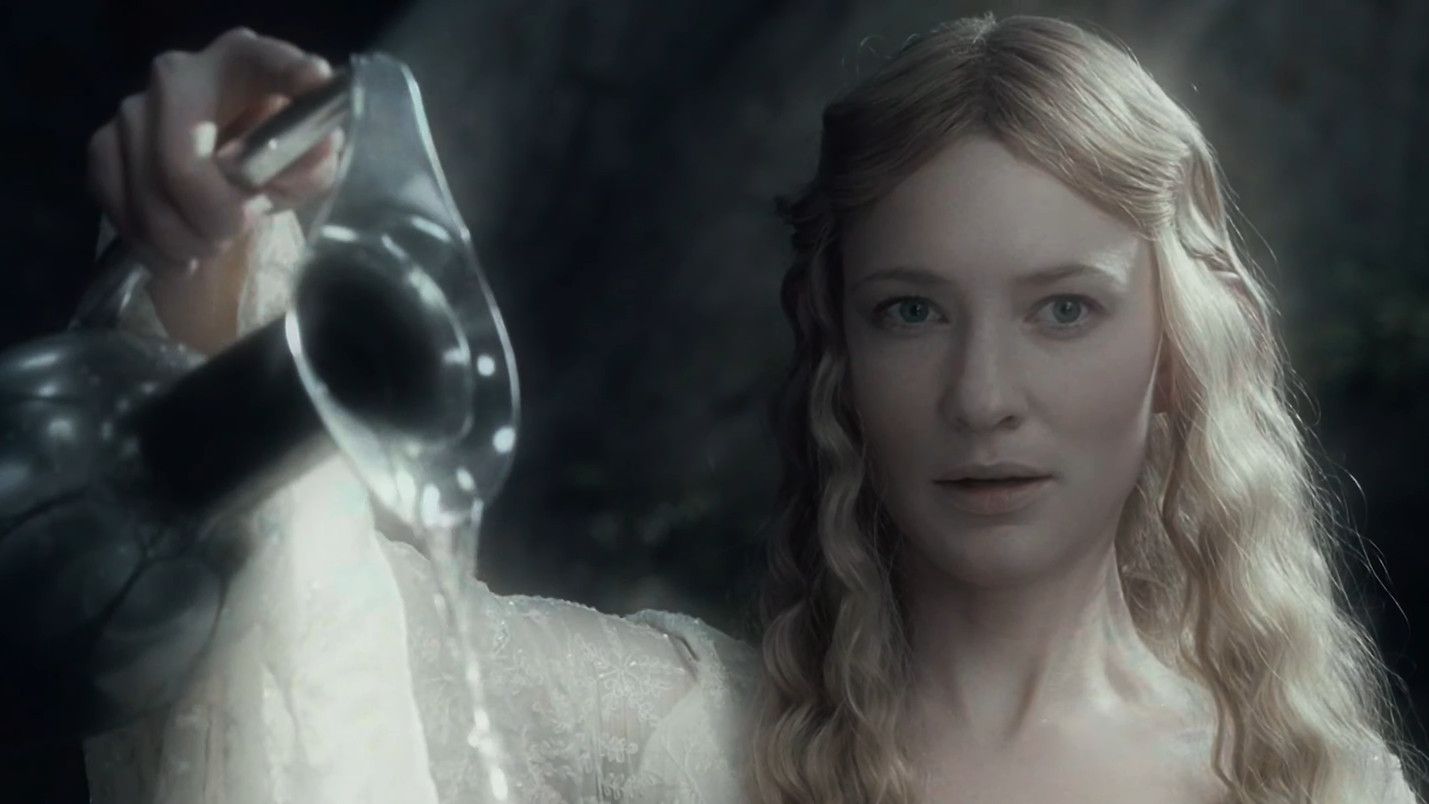
Tolkien Never Wanted You Ranking His Spells
A viral ranking of Lord of the Rings magic by destructive power misses what Tolkien actually built.
The moment you rank spells by blast radius, you've already lost what made Tolkien's magic work—which is exactly the point.
More
Technology
Meta's Three-Hour Trap Wasn't Invented by Meta
Meta is capping AI features on Ray-Ban glasses at three hours monthly unless users pay $19.99 per month. This isn't innovation — it's the playbook that worked for printer makers, car manufacturers, and fitness equipment companies, now executed on eyewear.
When a manufacturer caps a feature you already own at three hours monthly, the subscription isn't optional — it's the price of actual function.
More
Science
48 Ships, Zero Enemies, One Message
Forty-eight tall ships from competing naval powers are sailing into New York Harbor together in 2026, reviving a Cold War-era diplomatic tradition that treated maritime spectacle as statecraft.
*Sail4th 250 gathers 48 tall ships from nations including China, Russia, and U.S. allies
*Echoes Operation Sail 1976, when Soviet participation during détente signaled thaw in superpower tensions
*Maritime gatherings function as geopolitical messaging when navies are in active competition
More
Film
The Pipeline Broke and Nobody Noticed
June 2026's home entertainment releases—a Pixar film, some 2026 theatrical hits, restored cult horror—look like a normal calendar month until you realize the entire system that produced them has fundamentally changed. The real story isn't what's available this month, but that release calendars stopped meaning anything.
More