The Daily SignalTech · Arts · Culture
Sunday, June 28, 2026
The Digest
Previous EditionNext EditionThe signal in all the noise.
Science

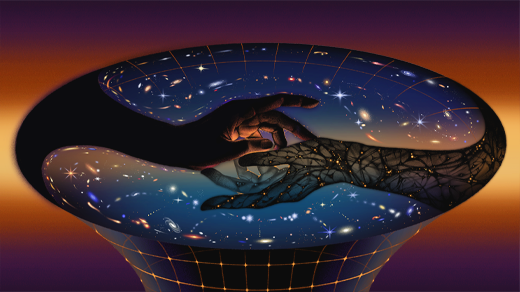
Dark matter and energy might be the same thing

Physicists are finding that both dark matter and dark energy—the two largest unknowns in cosmology—might not be separate mysteries but expressions of a single underlying force that changes over time. If true, it collapses half the universe's puzzles into one, which sounds like progress until you realize it means we've been asking the wrong questions entirely.

More
Her
🌍 Feature Creature
Her
The World It Makes
Her Built the Loneliness Economy and We Bought It
Spike Jonze didn't predict a future where AI girlfriends exist—he diagnosed why we'd want them. The real innovation in Her isn't the technology. It's the social permission structure that makes talking to nobody feel like connection.
More
Culture
Enola Holmes Sells the Sibling, Not the Mystery
Millie Bobby Brown's profile now depends on her ability to perform authenticity about making art rather than on the art itself. The franchise succeeds by making the audience feel they're watching a real friendship—a meta-product that monetises the labour of seeming unguarded.
"
The franchise doesn't sell you a detective story. It sells you proof that the person playing the detective cared enough to shape it—and that watching her care is worth the ticket.
Take Action
Share a password this week. Knowingly violate one platform's terms—small rebellion, zero stakes.
How?
Key Insights
1
Both the genome and the chameleon stories reveal the same delusion: that naming something—giving it formal taxonomy, algorithmic structure—means we've understood it. We haven't. We've just created a filing system.
2
Netflix's email requirement and Jim Henson's proto-dystopian Cube both illustrate the same creeping logic: shared experiences are becoming atomized, individuated, tracked. Community gets priced as a luxury good.
3
As platforms demand finer and finer granularity of identity (email, profile, preference data), the actual variety of human experience gets flattened into recommendation algorithms—the inverse of discovering four new chameleon species.
W8
The Signal
The Tyranny of Specificity
Observation

We're obsessed with naming things we've never seen before, then locking access to the people who want to experience them. A chameleon gets a scientist's name; a Mars discovery gets parsed into algorithms; a streaming password gets tied to your email address like a digital ID card.

The pattern isn't about knowledge or connection—it's about control through categorization. We can't just *discover* anymore. We have to *claim*, *classify*, and *monetize* in the same breath.

Culture
Festival Calm Spaces Are Profit Theaters, Not Access
Festivals now offer quiet rooms and noise-cancelling headsets as accessibility features, but they're designed to contain neurodivergent visitors rather than actually change the event. The real problem—sensory overload as a built-in feature of the experience—stays invisible and profitable.
More
Core Insight
"
We're building surveillance systems and calling them personalization, then congratulating ourselves on finding species we immediately locked behind paywalls.
"
Film
The Magical Realism Trap: Selling Childhood Certainty to Exhausted Adults
Sciamma's 'Cielo' frames childish optimism as wisdom superior to adult nuance—a neat inversion that flatters the audience for abandoning critical thinking. The real magic trick is convincing people that regression feels like enlightenment.
More
Science
Beauty contests that measure nothing but attention
A photography award celebrating color images from 1839 onwards circulates as proof of artistic progress, but the real work—deciding what counts as beautiful—is delegated to strangers who've never seen the subjects. The prize validates the judges' taste, not the photographer's eye.
More
Film
The Comedian Who Outlived His Own Relevance
Mel Brooks turns 100 celebrated as a legend, but the real story is simpler and darker: a man whose entire career was built on the idea that you could mock power by becoming powerful enough that nothing touched you. That stopped working decades ago, and nobody noticed because we kept laughing.
More
🔥
One Move
Name something in your life that nobody else has categorized yet. Don't post it. Just keep it.
How?
Film
A Psychiatrist Teaches His Fear to Sit Still
A shrink confronts his lifelong horror-film phobia by studying the neuroscience of cinematic dread, discovering that what terrifies us isn't the monster on screen but the gap between what we expect and what our nervous system receives. The real insight: he'd been using his expertise to diagnose everyone but himself.
More
Technology
Henson Built a Trap and Called It Entertainment
The Cube is a 1969 Henson teleplay where a man enters a featureless white room and slowly discovers the walls are closing in. It's not really about claustrophobia—it's about how confinement becomes invisible once you stop noticing the edges.
More
🎯
One Move
Watch something you've never heard of without reading reviews first. Let confusion precede categorization for once.
How?
Technology
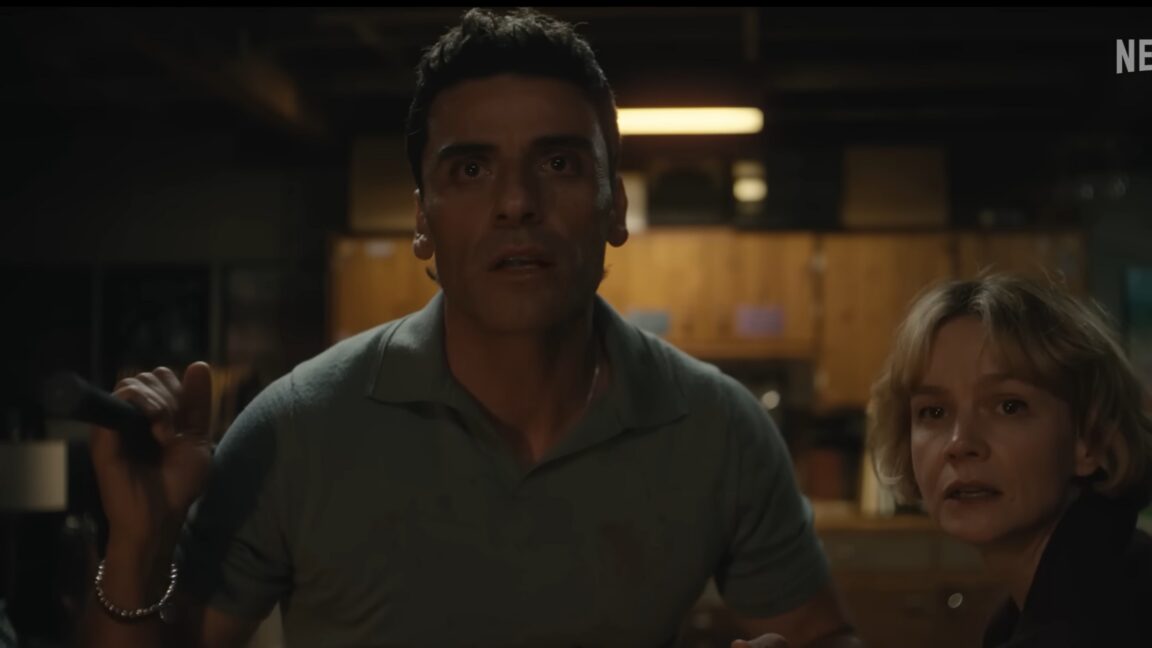
Netflix Ends the Household Account So It Can Track the Household
Netflix is forcing each user to log in with their own email, killing password sharing. What they're actually doing is converting loose family groups into individualized data profiles tied to payment methods and behavior.
More
Technology
Houston Travel Guide Becomes Real Estate Catalog
A business travel guide for Houston quietly functions as promotional infrastructure for the hospitality and commercial real estate industries, disguising brand preference as local expertise. The piece naturalizes consumption patterns that benefit a narrow set of property owners while readers mistake curation for journalism.
More